Blogs

hero image
  • Article author: By Bonnie D'Arcangelo
  • Article published at:
  • Article comments count: 0
Lomatium: The Unsung Hero of Cold & Flu Season
When most people think about natural cold and flu remedies, they immediately jump to the usual suspects, echinacea, ginger, or vitamin C. But there's one powerful herb that's been quietly doing the heavy lifting for centuries, and most folks have never even heard of it. Meet lomatium, a yellow-flowered plant that might just become your new favorite ally when the sniffles start making their rounds. The Forgotten Pandemic Hero Here's a story that'll give you chills (the good kind): During the devastating 1918 influenza pandemic that killed millions worldwide, there was one group of people who seemed almost immune to the deadly virus. The Washoe nation of Nevada, along with other Native American tribes, experienced remarkably high recovery rates and minimal deaths. Their secret weapon? Lomatium. This wasn't just folk medicine folklore, it actually caught the attention of doctors and researchers at the time. While entire communities were being wiped out by the Spanish flu, Indigenous peoples who had access to and knowledge of lomatium were thriving. Pretty incredible for a plant that looks like a fancy wildflower, right? The plant itself is native to North America and sports bright yellow, umbrella-shaped flowers that you might mistake for Queen Anne's lace if you're not looking closely. But don't let its delicate appearance fool you, this herb packs a serious punch when it comes to supporting your body's natural defenses. What Makes Lomatium So Special? The magic of lomatium lies in its impressive lineup of active compounds. Think of it as nature's multi-tool for fighting off respiratory nasties. Here's what's working behind the scenes: Furanocoumarins are the real heavy hitters. These compounds, including pyranocoumarin, columbianin, and nodakenetin, act as potent antiviral agents. They basically tell viruses to back off by inhibiting their ability to replicate and mess with your cells. Oleo-resins are your respiratory system's best friend. Packed with sesquiterpenes and terpenes, these compounds work as stimulating expectorants. In plain English? They help loosen up that stubborn mucus and make it easier to cough up and clear out. Volatile oils function as natural antibacterial agents, giving your immune system a boost by helping white blood cells identify and eliminate harmful bacteria more effectively. Ascorbic acid (that's vitamin C to you and me) provides additional antimicrobial and immune-supporting benefits. Your Cold & Flu Season Game-Changer What really sets lomatium apart from other herbs is its laser focus on respiratory health. While some remedies work broadly on immune function, lomatium seems to have a special affinity for the lungs and breathing passages. A 2014 study published in the Journal of Restorative Medicine found something pretty remarkable: lomatium can actually inhibit the release of CXCL10, a chemical messenger that plays a role in inflammatory responses during viral infections. More importantly, the study showed that lomatium may help shorten the duration of flu-like symptoms. When you're dealing with that familiar progression of cold symptoms, you know, the scratchy throat that turns into congestion, followed by that annoying cough that seems to stick around forever, lomatium works on multiple fronts. It helps your body fight off the viral invaders while also supporting your respiratory system's natural ability to clear out mucus and irritants. But here's what really gets herbalists excited: lomatium doesn't just mask symptoms like many over-the-counter medications do. Instead, it actually supports your body's natural healing processes, potentially helping you bounce back faster and stronger. Beyond Cold & Flu Season While respiratory support is lomatium's claim to fame, this versatile herb has some other tricks up its sleeve. Traditional uses include topical applications for skin issues, think cuts, scrapes, boils, and other minor skin irritations. The same antimicrobial and anti-inflammatory compounds that help with respiratory health can also support skin healing when applied externally. Some herbalists also suggest lomatium for inflammatory joint conditions, thanks to its anti-inflammatory properties. While we can't make specific medical claims, the traditional uses speak to this herb's broad-spectrum supporting capabilities. How to Keep Lomatium on Hand The most common way to use lomatium is as a resin-free extract, typically taken in 1 to 3 milliliters daily. It's available in various forms including: Tinctures: Easy to take and fast-acting Powders: Can be mixed into drinks or foods Teas and decoctions: A gentler, more traditional approach Topical preparations: For external use on skin issues At AEtherbal, we understand the value of having quality herbal preparations ready before you need them. That's why products like our Cold Gold Fusion include carefully selected herbs that work synergistically to support your body during challenging times. You can also incorporate lomatium through steam inhalations, just add a small amount of extract to hot water and breathe in the vapors. This method delivers the herb's benefits directly to your respiratory system, which can be especially helpful when you're feeling congested. A Word on Safety While lomatium has an impressive traditional safety record, it's important to approach any herb with respect. Some people may experience allergic reactions or digestive discomfort, especially when first starting to use it. As with any herbal supplement, it's smart to start with smaller amounts and see how your body responds. The safety profile of lomatium hasn't been extensively studied in formal clinical trials, so if you're pregnant, nursing, or taking medications, definitely chat with your healthcare provider before adding it to your wellness routine. Why Lomatium Deserves More Recognition In our world of quick fixes and synthetic solutions, lomatium represents something beautifully simple: a plant that has been quietly supporting human health for thousands of years. While it may not have the marketing budget of pharmaceutical cold remedies, its track record speaks for itself. The fact that entire communities survived one of history's deadliest pandemics with the help of this humble herb should tell us something important about the power of traditional plant medicine. We don't need to wait for the next "superfood" trend when we have time-tested allies like lomatium already growing in our backyards (well, if you live in the right part of North America). What's particularly exciting is that lomatium offers a different approach to cold and flu season. Instead of just suppressing symptoms, it works with your body's natural defenses. Instead of focusing solely on one aspect of immune function, it provides comprehensive respiratory support. As we continue to rediscover the wisdom of traditional plant medicines, lomatium stands out as a perfect example of how the old ways often turn out to be the best ways. This unsung hero of cold and flu season might just be the natural ally you've been looking for: one that's been patiently waiting in the wings, ready to help when you need it most. Whether you're looking to build a comprehensive first aid kit or simply want to be better prepared for the inevitable seasonal sniffles, consider giving lomatium the attention it deserves. After all, any herb that helped people survive the 1918 flu pandemic probably has something valuable to offer your modern medicine cabinet.
Read article
hero image
  • Article author: By Bonnie D'Arcangelo
  • Article published at:
  • Article comments count: 0
Lomatium: The Unsung Hero of Cold & Flu Season
When most people think about natural cold and flu remedies, they immediately jump to the usual suspects, echinacea, ginger, or vitamin C. But there's one powerful herb that's been quietly doing the heavy lifting for centuries, and most folks have never even heard of it. Meet lomatium, a yellow-flowered plant that might just become your new favorite ally when the sniffles start making their rounds. The Forgotten Pandemic Hero Here's a story that'll give you chills (the good kind): During the devastating 1918 influenza pandemic that killed millions worldwide, there was one group of people who seemed almost immune to the deadly virus. The Washoe nation of Nevada, along with other Native American tribes, experienced remarkably high recovery rates and minimal deaths. Their secret weapon? Lomatium. This wasn't just folk medicine folklore, it actually caught the attention of doctors and researchers at the time. While entire communities were being wiped out by the Spanish flu, Indigenous peoples who had access to and knowledge of lomatium were thriving. Pretty incredible for a plant that looks like a fancy wildflower, right? The plant itself is native to North America and sports bright yellow, umbrella-shaped flowers that you might mistake for Queen Anne's lace if you're not looking closely. But don't let its delicate appearance fool you, this herb packs a serious punch when it comes to supporting your body's natural defenses. What Makes Lomatium So Special? The magic of lomatium lies in its impressive lineup of active compounds. Think of it as nature's multi-tool for fighting off respiratory nasties. Here's what's working behind the scenes: Furanocoumarins are the real heavy hitters. These compounds, including pyranocoumarin, columbianin, and nodakenetin, act as potent antiviral agents. They basically tell viruses to back off by inhibiting their ability to replicate and mess with your cells. Oleo-resins are your respiratory system's best friend. Packed with sesquiterpenes and terpenes, these compounds work as stimulating expectorants. In plain English? They help loosen up that stubborn mucus and make it easier to cough up and clear out. Volatile oils function as natural antibacterial agents, giving your immune system a boost by helping white blood cells identify and eliminate harmful bacteria more effectively. Ascorbic acid (that's vitamin C to you and me) provides additional antimicrobial and immune-supporting benefits. Your Cold & Flu Season Game-Changer What really sets lomatium apart from other herbs is its laser focus on respiratory health. While some remedies work broadly on immune function, lomatium seems to have a special affinity for the lungs and breathing passages. A 2014 study published in the Journal of Restorative Medicine found something pretty remarkable: lomatium can actually inhibit the release of CXCL10, a chemical messenger that plays a role in inflammatory responses during viral infections. More importantly, the study showed that lomatium may help shorten the duration of flu-like symptoms. When you're dealing with that familiar progression of cold symptoms, you know, the scratchy throat that turns into congestion, followed by that annoying cough that seems to stick around forever, lomatium works on multiple fronts. It helps your body fight off the viral invaders while also supporting your respiratory system's natural ability to clear out mucus and irritants. But here's what really gets herbalists excited: lomatium doesn't just mask symptoms like many over-the-counter medications do. Instead, it actually supports your body's natural healing processes, potentially helping you bounce back faster and stronger. Beyond Cold & Flu Season While respiratory support is lomatium's claim to fame, this versatile herb has some other tricks up its sleeve. Traditional uses include topical applications for skin issues, think cuts, scrapes, boils, and other minor skin irritations. The same antimicrobial and anti-inflammatory compounds that help with respiratory health can also support skin healing when applied externally. Some herbalists also suggest lomatium for inflammatory joint conditions, thanks to its anti-inflammatory properties. While we can't make specific medical claims, the traditional uses speak to this herb's broad-spectrum supporting capabilities. How to Keep Lomatium on Hand The most common way to use lomatium is as a resin-free extract, typically taken in 1 to 3 milliliters daily. It's available in various forms including: Tinctures: Easy to take and fast-acting Powders: Can be mixed into drinks or foods Teas and decoctions: A gentler, more traditional approach Topical preparations: For external use on skin issues At AEtherbal, we understand the value of having quality herbal preparations ready before you need them. That's why products like our Cold Gold Fusion include carefully selected herbs that work synergistically to support your body during challenging times. You can also incorporate lomatium through steam inhalations, just add a small amount of extract to hot water and breathe in the vapors. This method delivers the herb's benefits directly to your respiratory system, which can be especially helpful when you're feeling congested. A Word on Safety While lomatium has an impressive traditional safety record, it's important to approach any herb with respect. Some people may experience allergic reactions or digestive discomfort, especially when first starting to use it. As with any herbal supplement, it's smart to start with smaller amounts and see how your body responds. The safety profile of lomatium hasn't been extensively studied in formal clinical trials, so if you're pregnant, nursing, or taking medications, definitely chat with your healthcare provider before adding it to your wellness routine. Why Lomatium Deserves More Recognition In our world of quick fixes and synthetic solutions, lomatium represents something beautifully simple: a plant that has been quietly supporting human health for thousands of years. While it may not have the marketing budget of pharmaceutical cold remedies, its track record speaks for itself. The fact that entire communities survived one of history's deadliest pandemics with the help of this humble herb should tell us something important about the power of traditional plant medicine. We don't need to wait for the next "superfood" trend when we have time-tested allies like lomatium already growing in our backyards (well, if you live in the right part of North America). What's particularly exciting is that lomatium offers a different approach to cold and flu season. Instead of just suppressing symptoms, it works with your body's natural defenses. Instead of focusing solely on one aspect of immune function, it provides comprehensive respiratory support. As we continue to rediscover the wisdom of traditional plant medicines, lomatium stands out as a perfect example of how the old ways often turn out to be the best ways. This unsung hero of cold and flu season might just be the natural ally you've been looking for: one that's been patiently waiting in the wings, ready to help when you need it most. Whether you're looking to build a comprehensive first aid kit or simply want to be better prepared for the inevitable seasonal sniffles, consider giving lomatium the attention it deserves. After all, any herb that helped people survive the 1918 flu pandemic probably has something valuable to offer your modern medicine cabinet.
Read article
hero image
  • Article author: By Bonnie D'Arcangelo
  • Article published at:
  • Article comments count: 0
Triphala: The Ayurvedic Trio for Gentle Detox and Wellness
When it comes to ancient wellness wisdom, few formulas have stood the test of time quite like Triphala. This isn't just another trendy superfood blend: it's a 5,000-year-old Ayurvedic formula that has been quietly supporting digestive health, gentle detoxification, and overall wellness across generations. What makes Triphala special isn't just its age, but the brilliant way three specific fruits work together to create something far more powerful than any single herb could achieve alone. Meet the Trio: Three Fruits, One Powerful Formula Triphala literally translates to "three fruits" in Sanskrit, and each member of this botanical team brings something unique to the table. The formula combines Amalaki (also known as Amla), Bibhitaki, and Haritaki: three fruits that grow throughout India and have been revered in Ayurvedic medicine for millennia. Amalaki (Emblica officinalis) is often called the "nurse" of the trio. This vitamin C powerhouse provides nourishment and antioxidant protection, helping to strengthen tissues while supporting immune function. Think of it as the gentle, nurturing component that feeds your body what it needs. Bibhitaki (Terminalia bellirica) acts as the "protector," supporting the elimination of toxins and waste while maintaining healthy respiratory and urinary function. It's particularly valued for its ability to support clear, healthy elimination without harsh effects. Haritaki (Terminalia chebula) is known as the "king of medicines" in Ayurveda and serves as the "cleanser" in this trio. It gently encourages regular bowel movements while supporting liver function and overall detoxification processes. The Wisdom Behind the Balance What makes Triphala truly remarkable isn't just the individual properties of these fruits, but how they work together. In Ayurvedic philosophy, this combination creates what's called a "Tridoshic Rasayana": a therapeutic formula that balances all three constitutional types (Vata, Pitta, and Kapha) rather than favoring one over another. This balanced approach means Triphala can benefit almost everyone, regardless of their individual constitution. Unlike single herbs that might work wonderfully for one person but cause imbalance in another, this three-fruit formula has built-in harmony that makes it remarkably gentle yet effective. Your Digestive System's Best Friend If there's one area where Triphala truly shines, it's digestive health. This isn't just about occasional constipation relief: though it certainly helps with that. Triphala works as a comprehensive digestive tonic that supports your entire gastrointestinal system from top to bottom. The formula acts as a gentle regulator, helping to establish healthy elimination patterns without creating dependency. Unlike harsh laxatives that can actually worsen digestive issues over time, Triphala strengthens your digestive fire (called "Agni" in Ayurveda) and supports your body's natural ability to process food and eliminate waste. Clinical research backs up these traditional uses. Studies have shown that regular Triphala use can reduce constipation, stomach pain, bloating, and gas while improving stool frequency and consistency. It also works as a prebiotic, feeding the beneficial bacteria in your gut that are essential for optimal digestive health. But here's what's really interesting: Triphala doesn't just help things move along: it actually improves nutrient absorption. When your digestive system is functioning optimally, your body can extract more vitamins, minerals, and other nutrients from the food you eat. Gentle Detoxification That Actually Works The word "detox" gets thrown around a lot these days, often attached to harsh cleanses that can leave you feeling worse than when you started. Triphala offers a completely different approach: one that cleanses while simultaneously nourishing and strengthening your body. This formula supports your body's natural detoxification pathways, particularly through the liver, kidneys, and colon. Rather than forcing toxins out through dramatic purging, Triphala helps these organs function more efficiently, allowing for gentle, sustainable cleansing that happens gradually over time. What's particularly impressive is how Triphala cleanses at the cellular level. It helps remove accumulated waste products (called "Ama" in Ayurveda) that can contribute to sluggishness, poor digestion, and that general feeling of being "stuck" or heavy. The beauty of this approach is that you can use Triphala daily for extended periods without concern. It's non-habit forming and actually becomes more beneficial the longer you use it, as your body's natural detoxification systems become stronger and more efficient. Antioxidant Powerhouse for Modern Living Living in our modern world means constant exposure to environmental toxins, processed foods, stress, and other factors that create what scientists call "oxidative stress." This is where free radicals damage your cells faster than your body can repair them, contributing to aging and various health challenges. Triphala is packed with antioxidants that help combat this oxidative stress. The combination contains vitamin C, ellagic acid, tannins, gallic acid, and chebulinic acid: compounds that research suggests may rival the antioxidant power of green tea and acai berries. The high vitamin C content, primarily from the Amalaki component, supports immune system function and helps your body build natural resistance to seasonal challenges. But unlike synthetic vitamin C supplements, the vitamin C in Triphala comes with cofactors and supporting compounds that enhance its absorption and effectiveness. Beyond Digestion: Surprising Benefits While Triphala is best known for digestive support, research has revealed some fascinating additional applications. Studies suggest it may help with weight management by reducing overall calorie intake and supporting healthy metabolism. Some research indicates it might help regulate blood sugar levels and provide cardiovascular protection. For skin health, Triphala's cleansing and antioxidant properties can lead to clearer, more radiant skin from the inside out. Many people notice improved skin texture and reduced breakouts after consistent use, as the body becomes more efficient at eliminating toxins that might otherwise show up as skin issues. The formula has also shown promise for oral health, with research suggesting it can help reduce harmful oral bacteria and support healthy gums. Some people use Triphala powder mixed with water as a mouth rinse, though this should complement, not replace, regular dental care. How to Use Triphala Effectively Triphala comes in several forms, each with its own advantages. The traditional powder form (called "churna") is often considered most potent and can be mixed with warm water, taken before bed on an empty stomach. The taste is quite distinctive: a combination of all six tastes recognized in Ayurveda: so some people prefer capsules or tablets for convenience. For general wellness and digestive support, most practitioners recommend starting with a smaller dose and gradually increasing as your body adjusts. Taking it before bed allows it to work overnight when your digestive system naturally goes into repair and elimination mode. Some people prefer to take it with a small amount of ghee or coconut oil, which can enhance absorption and make it gentler on sensitive digestive systems. Others mix it into smoothies or warm milk with a touch of honey. Safety and Considerations One of Triphala's greatest strengths is its exceptional safety profile. Unlike many modern medications, it's non-habit forming and safe for long-term daily use. However, like any potent natural formula, it's important to use it appropriately. Start with smaller doses to allow your body to adjust, especially if you have sensitive digestion. Some people may experience mild digestive changes initially as their system adapts, but this typically resolves within a few days to a week. Those with very dry constitutions might want to take Triphala with a small amount of healthy fat like coconut oil to prevent any potential drying effects. Pregnant or nursing mothers should consult with their healthcare provider before use, as should anyone taking medications or managing serious health conditions. The AEtherbal Approach to Traditional Wisdom At AEtherbal, we understand that ancient formulas like Triphala represent thousands of years of refined wisdom about how plants can support human health. Our commitment to quality herbal sourcing ensures that when we work with traditional formulas, we honor both their original intent and their potential for modern wellness applications. Whether you're dealing with occasional digestive discomfort, looking for gentle detox support, or simply want to add a time-tested wellness formula to your daily routine, Triphala offers a balanced, sustainable approach that works with your body's natural processes rather than against them. The three-fruit formula reminds us that sometimes the most powerful solutions aren't found in isolation, but in the intelligent combination of complementary elements working together toward a common goal: much like our approach to creating natural health solutions that honor both traditional wisdom and modern understanding. *These statements have not been evaluated by the FDA. These statements are not meant to cure, treat, or diagnose any disease. Please consult with your physician before beginning any herbal remedy.
Read article
hero image
  • Article author: By Bonnie D'Arcangelo
  • Article published at:
  • Article comments count: 0
The Power of the Three Ancient Healers: Gold, Frankincense, and Myrrh
When the Magi brought their famous gifts to the Christ child, they weren't just offering symbolic treasures. Gold, frankincense, and myrrh represented some of the most powerful healing substances known to the ancient world. These three "kings" of natural medicine have been healing bodies and soothing pain for thousands of years: and their power hasn't diminished with time. Today, modern herbal wellness continues to draw from this ancient wisdom, recognizing that these time-tested healers offer benefits that synthetic alternatives often can't match. Let's explore what made these three substances so valuable and how they continue to transform natural healing today. Gold: The Noble Healer Gold isn't just for jewelry and currency: it's been a healing ally for millennia. Ancient healers discovered that gold filings could strengthen the heart and support overall vitality. What they didn't know then, but we understand now, is that gold possesses unique properties that make it valuable in therapeutic applications. In traditional medicine, gold was prized for its ability to support the body's natural healing processes. Ancient practitioners used colloidal gold: tiny gold particles suspended in liquid: to address various health concerns. While modern science continues to study gold's therapeutic mechanisms, one thing remains clear: this precious metal has earned its place in natural healing traditions worldwide. Gold's healing properties extend beyond internal use. When applied topically, gold can support skin health and comfort. It's particularly valued for its gentle nature and ability to work synergistically with other healing substances: which is why it remains a cornerstone ingredient in many traditional formulations. However, ancient healers also understood gold's limitations. Prolonged internal use could strain the liver and kidneys, which is why traditional preparations emphasized careful dosing and combination with other supportive herbs. Frankincense: The Anti-Inflammatory Powerhouse Frankincense resin has been treasured for over 5,000 years, and for good reason. This aromatic resin contains powerful compounds called boswellic acids that demonstrate remarkable anti-inflammatory properties. Ancient healers intuitively understood what modern science now confirms: frankincense is nature's answer to inflammation and pain. The resin from Boswellia trees was so valuable in ancient times that it was worth more than gold in many markets. Frankincense was the go-to remedy for inflammatory conditions, including arthritis, digestive complaints, and skin issues. Ancient Persian healers specifically used it to treat gastritis and stomach ulcers, while traditional Chinese medicine practitioners valued it for moving blood and reducing swelling throughout the body. What makes frankincense particularly special is its gentle yet effective approach to inflammation. Unlike harsh synthetic alternatives, frankincense works with the body's natural processes to reduce inflammation without unwanted side effects. This makes it ideal for long-term use and perfect for sensitive skin applications. The antibacterial properties of frankincense also made it valuable for wound care and skin conditions. Ancient healers used it to treat everything from minor cuts to chronic skin problems, appreciating both its healing power and pleasant aroma. Myrrh: The Master of Pain Relief Myrrh served as humanity's primary analgesic for over 2,000 years: until the discovery of morphine. This aromatic resin from Commiphora trees contains sesquiterpenes and other compounds that provide natural pain relief while supporting the healing process. Ancient Egyptian, Greek, and Chinese healers all recognized myrrh's exceptional properties. Greek soldiers carried vials of myrrh oil into battle, using it to clean wounds and stem bleeding. Egyptian healers incorporated it into beauty treatments to minimize wrinkles and support skin health. In traditional Chinese medicine, myrrh was prized for its ability to "activate blood circulation" and treat traumatic injuries. What sets myrrh apart is its multi-faceted approach to healing. It doesn't just mask pain: it supports the body's natural healing processes while providing relief. This makes it particularly valuable for chronic conditions where long-term management is essential. Myrrh's antimicrobial properties also made it invaluable for preventing infection in wounds and supporting overall skin health. Ancient healers often combined it with other healing substances to create powerful, synergistic remedies. The Power of Three: Synergistic Healing Here's where ancient wisdom truly shines: traditional healers discovered that gold, frankincense, and myrrh work even better together than they do individually. This principle of synergistic healing: where the whole becomes greater than the sum of its parts: is fundamental to traditional medicine systems worldwide. Chinese medicine practitioners documented over thousands of years that frankincense and myrrh combined produce more powerful anti-inflammatory, pain-relieving, and blood-activating effects than either resin alone. When gold is added to this combination, the synergistic effects become even more pronounced. Modern research confirms what ancient healers knew intuitively: combinations of frankincense and myrrh create enhanced therapeutic effects for treating inflammatory diseases, traumatic injuries, and chronic pain conditions. The addition of gold appears to amplify these benefits while providing additional support for the healing process. This synergistic approach is why traditional formulations often combined all three substances. Ancient healers understood that nature provides not just individual healing compounds, but complementary systems that work together harmoniously. Modern Applications: Ancient Wisdom Meets Contemporary Wellness Today's natural wellness industry has rediscovered the power of these ancient healers. Modern extraction and preparation methods allow us to harness their benefits more effectively than ever before, while scientific research validates what traditional healers have known for centuries. Contemporary formulations often combine gold, frankincense, and myrrh with other beneficial ingredients like silicon plasma hydrate and complementary herbs. This creates powerful topical applications that can address everything from acute injuries to chronic pain conditions. The beauty of these ancient healers lies in their versatility. They can support skin health, provide pain relief, reduce inflammation, and assist in injury recovery: all while working gently with the body's natural processes. This makes them ideal for people seeking effective natural alternatives to synthetic options. Why Ancient Healing Endures The enduring popularity of gold, frankincense, and myrrh speaks to their genuine effectiveness. Unlike trends that come and go, these substances have maintained their reputation for thousands of years because they consistently deliver results. Their safety profile is another key factor. When used appropriately, these natural substances offer gentle yet effective relief without the harsh side effects often associated with synthetic alternatives. This makes them suitable for regular use and ideal for sensitive individuals. Perhaps most importantly, these ancient healers address the root causes of discomfort rather than simply masking symptoms. They support the body's natural healing processes, promote genuine recovery, and help maintain long-term wellness. The three ancient healers: gold, frankincense, and myrrh: represent more than just historical curiosities. They embody thousands of years of healing wisdom, validated by both traditional use and modern research. Whether used individually or in synergistic combinations, these powerful natural substances continue to offer hope and healing to those seeking effective, gentle alternatives for pain relief, skin care, and overall wellness. In our modern world of synthetic solutions, the enduring power of these ancient healers reminds us that sometimes the most effective remedies are the ones that have been quietly working for millennia. They represent the perfect marriage of ancient wisdom and contemporary application: natural healing at its finest.
Read article
hero image
  • Article author: By Bonnie D'Arcangelo
  • Article published at:
  • Article comments count: 0
Psyllium Husks: Nature's Fiber for a Happy, Healthy Gut
Ever feel like your digestive system could use a gentle nudge in the right direction? Meet psyllium husks: one of nature's most effective and gentle fiber sources that's been quietly supporting gut health for centuries. These tiny seed husks from the Plantago ovata plant might look unassuming, but they pack a serious punch when it comes to digestive wellness. Unlike harsh laxatives or complicated supplements, psyllium husks work with your body's natural processes to promote regularity, support gut health, and even help you feel more satisfied after meals. Let's dive into why this simple fiber powerhouse deserves a spot in your daily wellness routine. What Exactly Are Psyllium Husks? Psyllium husks come from the seeds of Plantago ovata, a plant that's been cultivated for over 1,000 years, primarily in India and other parts of Asia. The husks are the outer coating of these seeds, and they're incredibly rich in soluble fiber: the kind that dissolves in water to form a gel-like substance. This gel-forming ability is what makes psyllium husks so special. When you mix them with liquid, they create a thick, mucilaginous consistency that works wonders as it travels through your digestive system. Think of it as nature's way of giving your gut a gentle, supportive hug. How Psyllium Husks Support Your Digestive System The Gentle Bulking Effect When psyllium husks hit your digestive tract, they absorb water and expand, creating soft, bulky stools that are much easier to pass. This isn't the harsh, cramping action you might experience with stimulant laxatives. Instead, it's a gentle, natural process that helps normalize your bowel movements whether you're dealing with constipation or loose stools. The beauty of psyllium is its adaptability. If you're constipated, it adds moisture and bulk to help things move along. If you're dealing with loose stools, it absorbs excess water to help firm things up. It's like having a natural regulator for your digestive system. Feeding Your Good Gut Bacteria Here's where things get really interesting. Psyllium husks aren't just a one-and-done fiber source: they're also a prebiotic. This means they feed the beneficial bacteria in your gut, helping to maintain a healthy microbiome balance. As psyllium slowly ferments in your colon, it produces short-chain fatty acids like butyrate, which are incredibly important for gut health. These fatty acids help reduce inflammation, strengthen your intestinal barrier, and support overall digestive wellness. The Real Benefits You'll Actually Notice Better Regularity Without the Drama Most people notice improved regularity within a few days of adding psyllium husks to their routine. But this isn't the urgent, uncomfortable experience you might expect from other fiber supplements. Instead, you'll likely find yourself naturally having more regular, comfortable bowel movements. Many people find they can reduce their reliance on other digestive aids once psyllium becomes part of their routine. It's gentle enough for daily use and doesn't create dependence like some other options might. Feeling Fuller, Naturally One of the unexpected benefits many people discover is that psyllium husks help them feel more satisfied after meals. The gel-forming fiber slows down digestion, which means you feel full longer and are less likely to reach for snacks between meals. This isn't about restrictive dieting: it's about supporting your body's natural hunger and satiety cues. When your digestive system is working smoothly and you're absorbing nutrients properly, you naturally feel more balanced and satisfied. Supporting Heart Health The benefits don't stop at digestion. The same gel-forming action that helps with regularity also binds to cholesterol in your digestive tract, helping your body eliminate it before it can be absorbed. Some studies suggest that regular psyllium intake can help support healthy cholesterol levels as part of an overall healthy lifestyle. Steadier Energy Levels By slowing down the absorption of sugars from your meals, psyllium husks can help prevent those post-meal energy crashes. This gentle regulation of blood sugar absorption means more stable energy throughout the day. How Psyllium Husks Help Support Healthy Blood Sugar Psyllium is a soluble, gel-forming fiber. When you mix it with water, it becomes a thick gel that moves slowly through the stomach and small intestine. That gel does three helpful things: Slows how fast the stomach empties, so sugar from your meal enters your bloodstream more gradually Makes it harder for enzymes to rapidly break down carbs, so glucose is absorbed more slowly Feeds gut bacteria that produce short-chain fatty acids (like butyrate and propionate), which may support insulin sensitivity and a healthy gut lining What the research shows: Multiple clinical studies and meta-analyses find that taking psyllium regularly with meals can lower post-meal glucose and insulin spikes and modestly improve fasting glucose and A1C over time. It works best alongside a balanced diet, daily movement, and good sleep. Everyday ways to use psyllium for blood sugar support: Before carb-heavy meals: Take 1 teaspoon of psyllium in a large glass of water 10–30 minutes before your most carbohydrate-heavy meal (like breakfast oatmeal or a rice/pasta dinner). Follow with another glass of water. Smoothie add-in: Blend 1 teaspoon into your morning smoothie and drink soon after mixing. Yogurt and berries: Stir a teaspoon into Greek yogurt with berries for a snack that naturally slows sugar absorption. Soups and stews: Use a small amount as a natural thickener when the meal includes bread or rice. Baking days: Add a small amount of psyllium husk powder to homemade breads or tortillas to boost soluble fiber. Remember the basics: Keep psyllium at least 2 hours away from medications and supplements, and always pair it with plenty of water. Start small and increase slowly as comfortable. If you track glucose: Watch for gentler post-meal curves. If you use diabetes medications or insulin, check with your healthcare provider before starting, as psyllium may enhance glucose-lowering and could require dose adjustments. Easy Ways to Add Psyllium Husks to Your Daily Routine Start Small and Simple The key to success with psyllium husks is starting slowly and staying consistent. Begin with just one teaspoon mixed into a large glass of water, and drink it immediately before it has a chance to gel up too much. Follow it with another glass of plain water. Many people find it easiest to take psyllium first thing in the morning or about 30 minutes before their largest meal of the day. This timing helps with both digestive regularity and satiety. Creative Ways to Take Psyllium While the classic water mix works great, you don't have to stick with just that: Smoothie booster: Add a teaspoon to your morning smoothie for extra fiber without changing the taste much Yogurt mix: Stir it into Greek yogurt with some berries for a gut-healthy snack Baking substitute: Use small amounts in baking as an egg replacer or fiber booster Soup thickener: Add a small amount to soups or stews as a natural thickener The Golden Rules for Success Timing matters: Take psyllium at least two hours away from medications or other supplements, as it can interfere with absorption. Water is your friend: Always, always drink plenty of water when taking psyllium. The fiber needs liquid to work properly, and skimping on water can actually cause constipation. Consistency beats intensity: A small amount daily is much more effective than larger amounts taken sporadically. Safety and What to Expect Psyllium husks are generally very safe for most people, but like any supplement, it's worth knowing what to expect. Some people experience mild bloating or gas when they first start taking psyllium, but this usually resolves within a week or two as your system adjusts. If you have any digestive conditions, are taking medications, or are pregnant or nursing, it's always smart to check with your healthcare provider before starting any new supplement routine. Signs You're Taking Too Much Your body will usually tell you if you're overdoing it with psyllium. Signs include excessive bloating, cramping, or changes in bowel movements that don't feel comfortable. If this happens, just reduce your dose and make sure you're drinking enough water. Making Psyllium Part of Your Natural Wellness Journey What makes psyllium husks so appealing is how well they fit into a natural, holistic approach to health. They're not about quick fixes or dramatic changes: they're about supporting your body's natural processes consistently and gently. For those focused on natural wellness, psyllium represents the kind of simple, time-tested solution that works with your body rather than against it. Combined with a balanced diet, adequate water intake, and regular movement, psyllium can be a cornerstone of digestive wellness. The best part? Once you establish a routine with psyllium husks, they become almost invisible: just a simple part of your day that keeps your digestive system humming along smoothly. No drama, no urgent trips to the bathroom, just steady, reliable digestive support that lets you focus on living your life. Whether you're looking to improve regularity, support your gut microbiome, or simply feel more comfortable in your own skin, psyllium husks offer a gentle, natural path forward. Sometimes the most powerful wellness tools are also the simplest ones, and psyllium husks are a perfect example of nature getting it right.
Read article
hero image
  • Article author: By Bonnie D'Arcangelo
  • Article published at:
  • Article comments count: 0
Saw Palmetto for BPH: Why It Works Best with a Team Effort
If you've been dealing with benign prostatic hyperplasia (BPH) and looked into natural solutions, chances are saw palmetto topped your list. And honestly, that makes sense: it's been the poster child for prostate health for decades. But here's the thing: if you're expecting saw palmetto to be a solo superhero, you might end up disappointed. The research is pretty clear on this one. When used alone, saw palmetto doesn't move the needle much for most guys dealing with BPH symptoms. But before you write it off completely, there's a twist to this story. When saw palmetto joins forces with the right team of herbs, supplements, and lifestyle changes, it becomes a totally different player. Why Going Solo Doesn't Cut It Let's start with the tough love: multiple large-scale studies have shown that saw palmetto by itself just doesn't deliver the goods. A 2012 review of 32 clinical trials involving over 5,600 men found that even doubling or tripling the standard dose didn't improve urinary flow or shrink prostate size any better than a sugar pill. That stings, right? Especially when you consider how much marketing has been built around saw palmetto as the go-to BPH solution. But here's where it gets interesting: nearly 40% of guys taking the placebo in these studies still reported feeling better. That tells us something important: there's definitely a mental component to healing, but we can do way better than relying on just the placebo effect. The problem isn't necessarily that saw palmetto is useless. It's that BPH is a complex condition with multiple moving parts, and trying to address it with a single herb is like trying to fix a car engine with just a screwdriver. You need the whole toolkit. The Power of the Pack This is where things get exciting. When researchers started looking at combination approaches, the results changed dramatically. A landmark 2014 study took 225 men with BPH and divided them into different groups. Some got saw palmetto alone, others got individual supplements, and one group got the full combo: saw palmetto plus lycopene, selenium, and a pharmaceutical medication. The combination group? They crushed it. Not only did their symptom scores improve significantly more than any single treatment, but their urinary flow rates got better too. After 12 months, the combo group was still showing improvements while the single-therapy groups had plateaued. Another study in 2018 found that a trio of saw palmetto, selenium, and lycopene worked just as well as a prescription medication for improving prostate symptoms and urine flow. That's pretty remarkable when you consider we're talking about natural compounds going head-to-head with Big Pharma. Meet Your Supporting Cast So what makes these combinations so much more effective? It comes down to attacking the problem from multiple angles instead of just one. Nettle Root: The Inflammation Fighter While saw palmetto gets all the attention, nettle root is quietly doing some heavy lifting in the background. This herb contains compounds that may help reduce inflammation in prostate tissue and support healthy hormone metabolism. Some research suggests it might also help improve urinary flow by relaxing smooth muscle tissue around the prostate. Nettle root works differently than saw palmetto, which means they complement each other nicely. Think of saw palmetto as working on hormone pathways while nettle root handles the inflammation and tissue support side of things. White Sage: The Antioxidant Powerhouse White sage brings serious antioxidant firepower to the mix. Chronic inflammation and oxidative stress play big roles in BPH development, and white sage's compounds can help neutralize those damaging free radicals. It's like having a cleanup crew working 24/7 to keep your prostate tissue healthy. Traditional herbalists have used white sage for urinary tract support for centuries, and modern research is starting to back up what they've known all along. The Supplement Squad Lycopene: The Tomato Miracle Lycopene is what gives tomatoes their red color, but it does way more than just look pretty. This carotenoid is a potent antioxidant that seems to have a special affinity for prostate tissue. Studies consistently show that men with higher lycopene levels have better prostate health outcomes. The cool thing about lycopene is that it works synergistically with saw palmetto. While saw palmetto may influence hormone pathways, lycopene is protecting cells from damage and supporting healthy tissue function. It's like having a bodyguard for your prostate cells. Selenium: The Trace Element Champion Don't let selenium's status as a "trace element" fool you: this mineral punches way above its weight class when it comes to prostate health. Selenium supports the body's natural antioxidant systems and may help regulate cell growth in prostate tissue. The research on selenium for BPH is particularly compelling when it's used in combination with other nutrients. It seems to enhance the effectiveness of other compounds while providing its own protective benefits. Lifestyle: The Game Changer Here's where most people drop the ball. You can take all the herbs and supplements in the world, but if your lifestyle is working against you, you're fighting an uphill battle. The Estrogen Connection One of the biggest lifestyle factors that gets overlooked is estrogen exposure. As men age, testosterone levels decline while estrogen levels often stay the same or even increase. This shifting hormone balance contributes to prostate growth and BPH symptoms. Beer is a perfect example of this problem. Hops contain compounds called phytoestrogens that can mimic estrogen in the body. If you're dealing with BPH and you're having a couple beers every night, you might be sabotaging your own progress. It's not just beer, though. Plastics, certain foods, and environmental chemicals can all contribute to estrogen load. The key is reducing your overall exposure where you can. Diet Matters More Than You Think An anti-inflammatory diet rich in vegetables, healthy fats, and lean proteins creates the foundation for everything else to work. Processed foods, excess sugar, and trans fats all promote inflammation: exactly what you don't want when you're trying to calm down an enlarged prostate. Focus on foods that support hormone balance and reduce inflammation. Think omega-3 rich fish, colorful vegetables, nuts, seeds, and plenty of fiber to help your body eliminate excess hormones. Putting It All Together So how do you actually implement this team approach? Start with the foundation: clean up your diet and reduce estrogen exposure. Cut back on beer and processed foods. Add in more vegetables, healthy fats, and anti-inflammatory foods. Next, consider a combination supplement approach. Look for products that include saw palmetto along with lycopene and selenium, or create your own stack with individual supplements. Many guys find that standardized extracts work better than raw herb powders. Don't forget about the supporting herbs. Nettle root extract can be taken alongside saw palmetto, and white sage can be incorporated as a tea or supplement. The Reality Check Here's the honest truth: even with the best combination approach, natural BPH support takes time and consistency. We're talking months, not days or weeks. Some guys see improvements in 4-6 weeks, but for many, it takes 3-6 months to really notice significant changes. Also, if your symptoms are severe or getting worse, don't try to tough it out with just natural approaches. BPH can lead to serious complications like urinary retention or kidney problems. Work with a healthcare provider who understands both conventional and natural approaches. Safety First Before you dive into any new supplement routine, especially if you're taking medications, check with your doctor. Saw palmetto can interact with blood thinners, and some herbs can affect how your body processes medications. The good news is that most people tolerate these natural approaches well. The most common side effects are mild digestive upset, which usually goes away as your body adjusts. The Bottom Line Saw palmetto isn't a fraud: it's just not a solo act. When you combine it with the right supporting cast of herbs, nutrients, and lifestyle changes, it becomes part of a powerful team that can make a real difference in BPH symptoms. The key is thinking holistically. Address inflammation, support healthy hormone balance, provide antioxidant protection, and create an internal environment where your prostate can heal and function optimally. That's how you turn a mediocre solo performance into a symphony that actually works. Remember, consistency is everything with natural approaches. Give your body time to respond, stay committed to the lifestyle changes, and be patient with the process. Your prostate: and your quality of life( will thank you for taking the comprehensive approach.)
Read article
hero image
  • Article author: By Bonnie D'Arcangelo
  • Article published at:
  • Article comments count: 0
How to Build Your Complete Herbal First Aid Kit in 5 Minutes
Life happens fast. Cuts, bumps, bruises, and everyday aches don't wait for convenient timing. That's why having a well-stocked herbal first aid kit isn't just smart: it's essential. The good news? You don't need to spend hours researching obscure herbs or complicated preparations. With the right approach, you can build a complete herbal first aid kit in just five minutes. Why Herbal First Aid Makes Sense Traditional first aid kits are great for emergencies, but they often fall short for everyday healing. Synthetic products can be harsh, expensive, and sometimes cause more irritation than relief. Herbal remedies, on the other hand, work with your body's natural healing processes. They're gentle enough for daily use yet powerful enough to handle serious situations. The key is choosing versatile, proven remedies that cover multiple needs. Instead of having twenty different products for twenty different problems, you want a few powerhouse solutions that handle everything from minor cuts to chronic pain. The 5-Minute Foundation: Your Essential Container Start with a waterproof container that fits your lifestyle. A small tackle box works perfectly for home use, while a zippered canvas pouch is ideal for travel. Whatever you choose, make sure it's easy to clean and has compartments to keep things organized. Your basic supplies should include: Sterile gauze pads and medical tape Small scissors and tweezers Cotton balls and swabs Instant cold pack Nitrile gloves These aren't herbal, but they're the foundation that makes your herbal remedies more effective. Think of them as your delivery system. The Three Pillars of Herbal First Aid Now comes the herbal magic. Instead of dozens of individual herbs, focus on three comprehensive solutions that cover virtually every first aid situation you'll encounter. Pillar One: Close the Gap for Wound Care Close the Gap is your go-to for any situation involving broken skin. This isn't just another antibiotic ointment: it's a carefully formulated blend that supports your body's natural healing cascade. The silica content in Close the Gap is particularly important. Silica helps rebuild collagen and strengthens connective tissue, which means faster healing and less scarring. Whether you're dealing with paper cuts, kitchen accidents, or more serious wounds, this covers your wound care needs completely. Apply it directly to clean wounds, then cover with sterile gauze if needed. For minor cuts and scrapes, a thin layer is often enough on its own. The formula is gentle enough for sensitive skin but powerful enough for significant wounds. Pillar Two: Mom's Best Friend for Pain and Inflammation Mom's Best Friend combines arnica and St. John's wort: two of the most researched herbs for pain relief and tissue healing. This combination handles everything from acute injuries to chronic pain conditions. Arnica is famous for reducing bruising and swelling. It works by improving circulation to injured areas, which helps remove inflammatory compounds and brings in fresh nutrients. St. John's wort adds powerful anti-inflammatory and nerve-soothing properties, making this blend perfect for both physical injuries and nerve-related pain. Use Mom's Best Friend for: Fresh bruises and swelling Muscle and joint pain Nerve discomfort Post-workout recovery Chronic pain flare-ups The beauty of this formulation is that it works for both acute injuries (apply immediately after impact) and chronic conditions (use regularly for ongoing relief). Pillar Three: 3 Kings Silica for Everything Else 3 Kings Silica is your multi-tool. This unique blend of gold, frankincense, and myrrh with silicon plasma hydrate covers an impressive range of conditions that don't fit neatly into wound care or pain relief categories. The three kings: gold, frankincense, and myrrh: have been used medicinally for thousands of years. Modern research confirms their anti-inflammatory, antimicrobial, and tissue-regenerating properties. Combined with bioavailable silica, this creates a remedy that supports healing at the cellular level. 3 Kings Silica handles: Skin conditions and irritations Edema and fluid retention Cartilage and joint support Dry or damaged skin General inflammation It's also gentle enough to use as a daily face cream while being therapeutic enough for serious skin conditions. The 5-Minute Assembly Process Here's how to put it all together quickly: Minute 1-2: Prep Your Container Clean your chosen container and arrange the compartments. Place your basic supplies (gauze, tape, scissors, etc.) in easily accessible spots. Minute 3: Add Your Three Pillars Place Close the Gap, Mom's Best Friend, and 3 Kings Silica in secure spots where they won't leak or get damaged. These three products literally cover 90% of first aid situations you'll encounter. Minute 4: Add Quick Extras Toss in a few cotton swabs, a small bottle of clean water for wound cleaning, and maybe some athletic tape for securing larger bandages. Minute 5: Label and Test Make sure you can find everything quickly. In an emergency, you don't want to dig through a messy kit. Consider adding a simple instruction card with basic usage guidelines. Beyond the Basics: Seasonal Additions Once you have your core kit established, you can add seasonal items based on your activities and environment. Summer might call for additional cooling remedies, while winter could benefit from warming circulation support. The genius of starting with Close the Gap, Mom's Best Friend, and 3 Kings Silica is that these three cover such a wide range of conditions that additional items are truly optional rather than essential. Quick Guide: Easy First Aid Herbs You Can Find These herbs are simple, practical, and often easy to identify or buy. Keep things clean and straightforward. If you’re unsure about plant ID, purchase dried herb from a trusted source. Yarrow (Achillea millefolium) Best for: Slowing minor bleeding and supporting a healthy fever response. How to use: For small cuts, clean the area, then apply a clean, crushed fresh leaf or powdered yarrow to help slow bleeding. For fevers with chills, sip warm yarrow tea to promote gentle sweating and comfort. Safety: Avoid during pregnancy and if you have Asteraceae (ragweed) allergies. Seek care for heavy bleeding or high, persistent fevers. Plantain (Plantago major or P. lanceolata) Best for: Bug bites, stings, splinters, and itchy rashes. How to use: Rinse a fresh leaf, crush it into a poultice, and apply 10–20 minutes; repeat as needed. Plantain helps draw out irritants while calming itch and swelling. Tip: A small tin of plantain salve is handy when fresh leaves aren’t available. Calendula (Calendula officinalis) Best for: Tender, irritated skin and clean minor cuts or chafing. How to use: Use cooled calendula tea or a diluted tincture as a gentle rinse or compress. Calendula salve supports comfortable, clean healing. Safety: Avoid sealing deep puncture wounds with heavy salves. Lavender (Lavandula angustifolia) Best for: Minor burns/sunburn and calming stress or tension. How to use: Apply a cool lavender tea compress to pink, unbroken skin. For adults, use diluted essential oil (about 1 drop in 1 teaspoon of carrier) on small areas. Safety: Avoid undiluted essential oils on large or broken skin. Witch hazel (Hamamelis virginiana) Best for: Swelling, bruises, hemorrhoids, and itchy bites. How to use: Apply alcohol-free witch hazel distillate on a cotton pad as a compress over the area. Thyme (Thymus vulgaris) Best for: Cleanse-and-rinse for minor scrapes and as a soothing gargle. How to use: Make a strong tea, let it cool, dilute to taste, then use as an external wash or a warm salt–thyme gargle. Do not swallow large amounts. Note: Deep wounds, signs of infection (spreading redness, pus, fever), heavy bleeding, or persistent high fevers require prompt medical care. Storage and Maintenance Tips Keep your herbal first aid kit in a cool, dry place away from direct sunlight. Check expiration dates every six months and replace items as needed. Most quality herbal preparations have excellent shelf lives, but it's good practice to keep things fresh. Consider making a small travel version of your kit for your car, purse, or travel bag. The three pillar approach makes this easy: just get smaller sizes of your core products. When to Seek Professional Help While herbal first aid is incredibly effective for most situations, serious injuries always require professional medical attention. Your herbal kit is designed to support healing and provide relief, not replace emergency medical care when it's truly needed. Trust your instincts. If something seems serious, get professional help first, then use your herbal remedies as supportive care during recovery. The Real 5-Minute Advantage The truth is, building this kit takes about 5 minutes because you're not making everything from scratch. You're selecting proven, comprehensive formulations that work synergistically together. Close the Gap, Mom's Best Friend, and 3 Kings Silica represent years of formulation expertise condensed into three simple products. This approach gives you professional-level herbal first aid without the complexity of maintaining dozens of individual herbs and preparations. You get the power of traditional herbal medicine with the convenience of modern life. Your complete herbal first aid kit isn't just about being prepared: it's about having confidence that you can handle whatever life throws at you with gentle, effective, natural solutions.
Read article
hero image
  • Article author: By Bonnie D'Arcangelo
  • Article published at:
  • Article comments count: 0
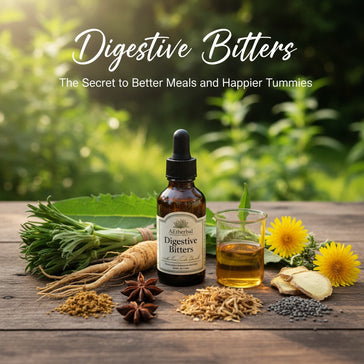
Digestive Bitters: The Secret to Better Meals and Happier Tummies
Remember when your grandmother insisted on having a small glass of something bitter before Sunday dinner? Turns out she was onto something big. Digestive bitters, concentrated herbal extracts with that unmistakable sharp, bitter taste, have been quietly supporting healthy digestion for centuries. And now, they're making a comeback as people rediscover the simple wisdom of preparing their digestive system before each meal. If you've never heard of digestive bitters or you're curious about whether they could help with your bloating, sluggish digestion, or that heavy feeling after meals, you're in the right place. Let's dive into what makes these botanical blends so effective and how they can transform your relationship with food. What Are Digestive Bitters Exactly? Digestive bitters are concentrated liquid extracts made from plants that naturally contain bitter compounds. Unlike the sweet or savory flavors we typically crave, these herbs pack a punch of pure bitterness that immediately gets your taste buds, and your digestive system, paying attention. The magic happens the moment those bitter compounds hit your tongue. Your body recognizes this ancient signal and kicks off a cascade of digestive processes that have been hardwired into us for thousands of years. Think of bitters as a gentle wake-up call for your entire digestive tract. How Your Body Responds to Bitter Tastes When you taste something bitter, your body doesn't just sit there and take it. Within seconds, a remarkable chain reaction begins: Your mouth springs into action. Saliva production increases dramatically, flooding your mouth with enzymes like amylase that start breaking down carbohydrates before you even swallow your food. Your stomach gets the memo. The bitter taste signals your stomach to ramp up production of hydrochloric acid (HCl), which is absolutely essential for breaking down proteins and activating digestive enzymes like pepsin. This is huge if you're someone who struggles with low stomach acid, a surprisingly common issue that can cause heartburn, bloating, and poor nutrient absorption. Your liver and gallbladder join the party. Bitters stimulate your liver to produce bile and encourage your gallbladder to release it. Bile is your body's natural fat emulsifier, breaking down dietary fats so you can actually absorb those important fat-soluble vitamins like A, D, E, and K. Your pancreas pitches in. The bitter stimulus encourages your pancreas to release a full spectrum of digestive enzymes that tackle carbohydrates, proteins, and fats once they reach your small intestine. This coordinated response is why taking bitters before a meal can make such a difference in how you feel afterward. You're essentially giving your digestive system a 15-minute head start. The Real Benefits You'll Actually Notice Say goodbye to that food coma feeling. When your body efficiently breaks down and processes food, you avoid that heavy, sluggish sensation that can hit after meals. Better enzyme production and stomach acid levels mean food moves through your system more smoothly. Bloating becomes less of an issue. Poor digestion often leads to fermentation in your gut, which creates gas and bloating. By improving the initial breakdown of food in your stomach, bitters help prevent this uncomfortable buildup. Your body actually absorbs nutrients. All the healthy foods you're eating won't do much good if your body can't break them down properly. Enhanced stomach acid and enzyme production means you'll get more vitamins, minerals, and other nutrients from every meal. Heartburn relief that makes sense. This might sound counterintuitive, but many people with acid reflux actually have too little stomach acid, not too much. Bitters can help restore proper acid levels and strengthen the esophageal sphincter that keeps acid where it belongs. Meet the Unique Bitter Herbs You Haven't Heard Of While many people know about common digestive herbs like ginger or peppermint, the world of bitter herbs is filled with powerful plants that rarely get the spotlight they deserve. Gentian Root is often called the "king of bitters" for good reason. This Alpine plant contains some of the most intensely bitter compounds found in nature. Gentian has been used in European folk medicine for centuries to stimulate appetite and improve overall digestive function. Just a small amount can trigger significant digestive activity. Artichoke Leaf might surprise you, we're not talking about the hearts you eat, but the large, silvery leaves. These contain cynarin and other compounds that specifically support liver function and bile production. Artichoke leaf bitters are particularly helpful for people who struggle with fatty food digestion. Angelica Root brings a complex, earthy bitterness that's been prized in both European and Chinese medicine traditions. It's especially known for its ability to ease digestive spasms and reduce gas formation, making it perfect for people who experience cramping after meals. Oregon Grape Root offers a golden-yellow bitter extract that's particularly supportive of liver detoxification pathways. Unlike other bitter herbs that focus mainly on digestion, Oregon grape root helps your body process and eliminate toxins more efficiently. Wormwood has an intensely bitter, almost medicinal taste that's incredibly effective at stimulating digestive juices. While it's famously associated with absinthe, medicinal preparations use much smaller, safer amounts that focus purely on digestive benefits. How to Use Digestive Bitters the Right Way The timing and method matter more than you might think. Most digestive bitters come as liquid tinctures, and the key is getting those bitter compounds onto your taste buds, that's where the magic starts. Take them 10-15 minutes before meals. This gives your digestive system time to ramp up production of all those important acids and enzymes before food arrives. Don't wait until you're already eating or feeling uncomfortable. Let them hit your tongue. Don't try to mask the bitter taste by mixing bitters into juice or swallowing them quickly. Place the drops directly on your tongue, let them spread around your mouth for a few seconds, then swallow. Yes, it's intense at first, but you'll get used to it. Start small and build up. Most formulas suggest starting with just a few drops and gradually increasing to a full dropper or the recommended dose. Your taste buds and digestive system will adapt over time. Be consistent. Like most natural approaches, bitters work best when used regularly rather than sporadically. Try to take them before your main meals for at least a few weeks to see the full benefits. Practical Tips for Bitter Success Make it a ritual. Set a phone reminder for 15 minutes before your usual meal times, or keep your bitters bottle somewhere you'll see it when you start cooking. Building the habit is often the hardest part. Travel smart. Most bitter tinctures come in small, travel-friendly bottles. Keep one in your purse or work bag so you can maintain your routine even when eating out or traveling. Pay attention to your body. Notice how different foods feel after you've been using bitters consistently. Many people report being able to enjoy foods that previously caused discomfort, like rich or fatty meals. Don't expect overnight miracles. While some people notice benefits within a few days, others might need 2-3 weeks of consistent use to see significant improvements in their digestion. Who Should Be Cautious While digestive bitters are generally safe for most people, there are some situations where you should check with a healthcare provider first. People taking medications for diabetes should be cautious, as bitters can affect blood sugar levels. Those with gallstones should avoid bitters that strongly stimulate bile production. And if you're pregnant or nursing, it's always best to get professional guidance before adding new herbal supplements to your routine. The Natural Approach That Actually Works In our world of quick fixes and complicated solutions, digestive bitters offer something refreshingly simple: they work with your body's existing wisdom rather than trying to override it. By supporting your natural digestive processes, they help you get more from the healthy foods you're already eating while reducing the discomfort that can make meals stressful. The bitter taste might take some getting used to, but most people find that the improvement in how they feel after meals makes it completely worth it. And unlike digestive aids that you take after problems start, bitters are all about prevention: setting your system up for success before each meal. Whether you're dealing with occasional bloating, sluggish digestion, or you simply want to optimize how your body processes nutrients, digestive bitters offer a time-tested, natural approach that's as simple as a few drops on your tongue. Sometimes the old ways really are the best ways.
Read article
hero image
  • Article author: By Bonnie D'Arcangelo
  • Article published at:
  • Article comments count: 0
Struggling With Fibromyalgia? 15 Natural Relief Strategies You Haven't Tried
Living with fibromyalgia means dealing with widespread pain, fatigue, and sleep issues that can make everyday tasks feel overwhelming. While there's no cure, the good news is that many natural approaches can significantly reduce symptoms and improve your quality of life. If you've been stuck in the same routine of managing your fibromyalgia, it might be time to try some fresh strategies. Here are 15 natural relief methods that could make a real difference in how you feel day to day. Movement-Based Relief 1. Try Water-Based Exercise Swimming and water aerobics are game-changers for fibromyalgia. The buoyancy of water supports your joints while providing gentle resistance. Many people find they can move more freely in water without the pain that comes with land-based exercise. Start with just 10-15 minutes and gradually increase as your body adapts. 2. Explore Tai Chi This ancient Chinese practice combines slow, flowing movements with deep breathing. A 2018 study following 226 people with fibromyalgia found that practicing tai chi once or twice weekly was as effective as aerobic exercise for symptom relief. The gentle nature makes it perfect for those days when regular exercise feels impossible. 3. Gentle Daily Stretching Just 10 minutes of stretching each morning can help reduce muscle tension and stiffness. Focus on areas that commonly tighten up - your neck, shoulders, hips, and calves. The key is consistency rather than intensity. 4. Yoga for Fibromyalgia Research shows that yoga can improve fibromyalgia symptoms and coping skills, with benefits lasting months after practice. Look for gentle or restorative yoga classes specifically designed for chronic pain conditions. Online classes let you practice at your own pace at home. 5. Regular Massage Therapy Professional massage helps release muscle tension and promotes relaxation. If regular sessions aren't in your budget, consider learning self-massage techniques or asking a partner to help with gentle pressure point relief. Topical and External Support 6. Try Targeted Topical Relief Quality topical ointments can provide localized relief without systemic side effects. AEtherbal's "Lighten the Load" is specifically formulated for fibromyalgia pain and contains natural botanical ingredients like ginkgo and rosemary that support pain relief and circulation. 7. Heat and Cold Therapy Alternating between warm baths and cold packs can help manage pain flares. Epsom salt baths are particularly soothing - the magnesium can be absorbed through your skin and may help with muscle relaxation. Nutritional Approaches 8. Anti-Inflammatory Eating Focus on whole foods rich in omega-3s, antioxidants, and fiber. Think fatty fish, leafy greens, berries, and nuts. Many people with fibromyalgia notice improvements when they reduce processed foods and sugar. 9. Magnesium Supplementation Many fibromyalgia patients are deficient in magnesium, which plays a role in muscle and nerve function. Consider adding a high-quality magnesium supplement or increasing magnesium-rich foods like dark leafy greens, nuts, and seeds. 10. Vitamin D Optimization Low vitamin D levels are common in fibromyalgia patients. Since most of us don't get enough sun exposure, especially during winter months, supplementation might be necessary. Have your levels tested first to determine the right dosage. 11. Omega-3 Fatty Acids These healthy fats help reduce inflammation throughout the body. If you don't eat fish regularly, consider a high-quality fish oil or algae-based omega-3 supplement. Sleep and Stress Management 12. Create a Sleep Sanctuary Poor sleep makes fibromyalgia symptoms worse, so optimizing your sleep environment is crucial. Keep your bedroom cool, dark, and quiet. Invest in blackout curtains and consider a white noise machine if needed. 13. Practice Deep Breathing Stress amplifies fibromyalgia pain, and elevated cortisol levels make symptoms worse. Simple breathing exercises can activate your body's relaxation response. Try the 4-7-8 technique: breathe in for 4 counts, hold for 7, exhale for 8. 14. Try Meditation or Mindfulness Even just 10 minutes daily of mindfulness practice can help reduce pain perception and improve coping skills. Apps like Headspace or Calm offer guided meditations specifically for chronic pain. Alternative Therapies 15. Consider Acupuncture This ancient practice has shown promise for fibromyalgia relief. A 2019 review suggested acupuncture might be more effective than medication for both short and long-term pain management. Look for a licensed acupuncturist experienced in treating chronic pain conditions. Making It Work for You The key to success with natural fibromyalgia management is finding the right combination of strategies for your unique situation. Start with one or two approaches that feel most doable for you right now. Maybe that's adding a daily 5-minute stretching routine and trying a topical pain relief ointment like 3 Kings Silica Plus, which combines natural healing ingredients with silica for tissue support. Remember that consistency matters more than intensity. Small, regular actions often produce better results than sporadic intense efforts. Keep a simple symptom diary to track which strategies help most on your difficult days. It's also worth noting that what works can change over time. Your body's needs may shift with seasons, stress levels, or life changes. Stay flexible and be willing to adjust your approach as needed. The Bottom Line Living well with fibromyalgia isn't about finding a magic cure - it's about building a toolkit of strategies that help you manage symptoms and maintain your quality of life. These 15 natural approaches give you plenty of options to explore, whether you're dealing with a pain flare or looking to prevent one. The most important thing is to be patient with yourself as you try new approaches. Some strategies might provide immediate relief, while others take weeks or months to show their full benefits. Work with healthcare providers who understand fibromyalgia and support your interest in natural management approaches. Your journey with fibromyalgia is unique, and the combination of strategies that works best for you might be different from what helps someone else. That's perfectly normal. The goal is to build a personalized approach that helps you feel more in control of your symptoms and more like yourself again.
Read article