

When flu season rolls around, many of us start thinking about ways to support our immune systems naturally. While modern medicine has its place, traditional herbal remedies have been helping people navigate seasonal challenges for centuries. These eight powerful herbs can be valuable allies in your wellness toolkit, offering gentle yet effective support when you need it most.
Let's explore these time-tested botanical friends and learn how they might help you stay strong during the colder months.
Lomatium: The Desert Powerhouse
Lomatium, also known as desert parsley or biscuitroot, is a lesser-known but incredibly potent herb native to the western United States. This remarkable plant has a rich history of use among Native American tribes, particularly during the devastating 1918 flu pandemic.
What makes lomatium special is its powerful antiviral properties. The root contains compounds that may help your body fight off viral infections more effectively. Many herbalists consider it one of the most important antiviral herbs available, though it's not as widely known as some others.
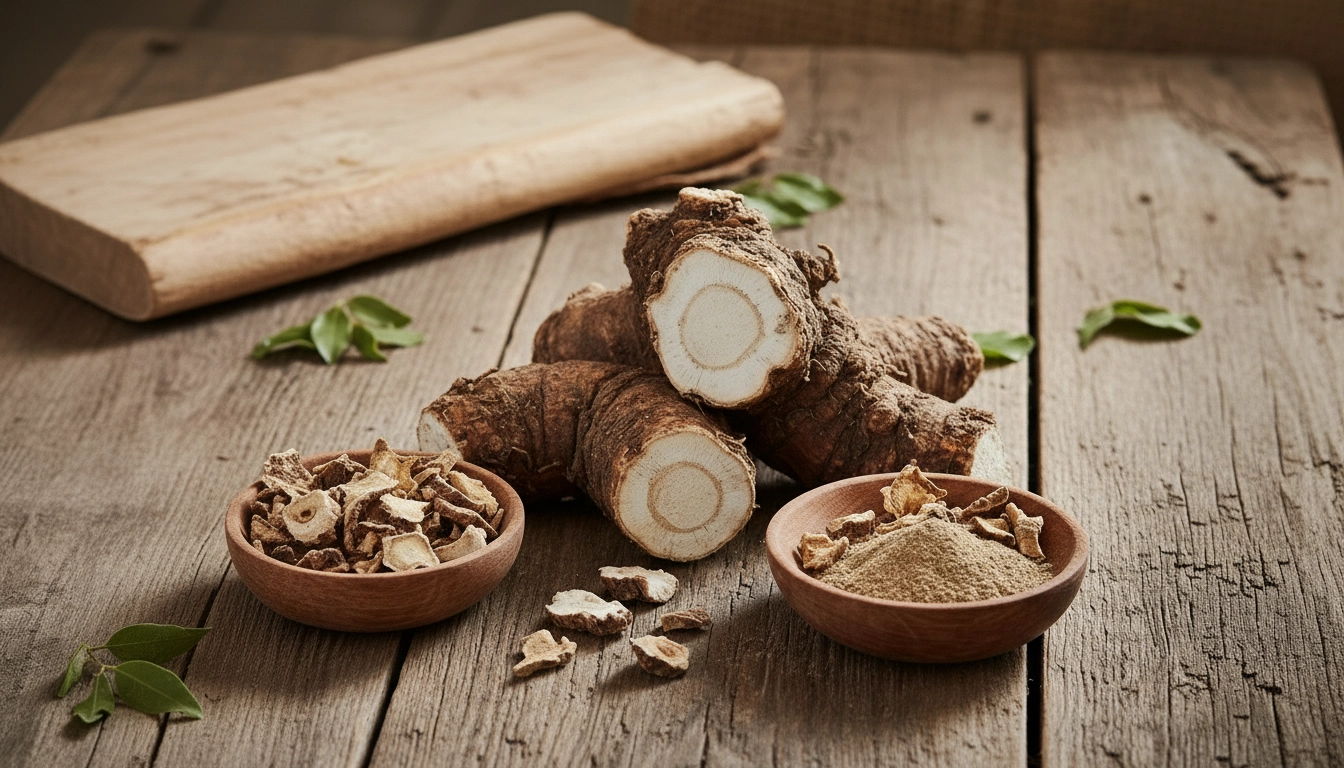
Lomatium is typically used as a tincture, and it's important to start with small doses as some people may experience a temporary rash when first using it. This "lomatium rash" is harmless and usually indicates the herb is working to clear toxins from your system.
Lobelia: The Respiratory Helper
Lobelia, sometimes called Indian tobacco, is a powerful herb that's particularly helpful for respiratory issues. This plant has been used traditionally to help open airways and ease breathing difficulties that often accompany flu and cold symptoms.
The active compounds in lobelia can help relax the bronchial passages, making it easier to breathe when congestion strikes. It's also known to help with stubborn coughs and can assist in clearing mucus from the lungs.
Because lobelia is quite potent, it should be used with caution and preferably under the guidance of an experienced herbalist. Small doses are typically most effective, and it's often combined with other gentler herbs to create balanced formulas.
Wild Cherry Bark: Nature's Cough Soother
Wild cherry bark is one of nature's most effective cough remedies. This gentle yet effective herb has been used for generations to calm irritated throats and reduce persistent coughing.
The bark contains compounds that help soothe the throat and reduce the urge to cough, making it particularly valuable when dealing with the dry, hacking coughs that often accompany flu. Unlike harsh chemical cough suppressants, wild cherry bark works gently with your body's natural healing processes.

You'll often find wild cherry bark in herbal cough syrups and teas. Its naturally sweet taste makes it pleasant to take, which is especially helpful when you're already feeling under the weather.
Horehound: The Traditional Expectorant
White horehound is an old-fashioned remedy that deserves more attention in modern times. This herb has been used for centuries to help with respiratory congestion and coughs, particularly those that involve thick mucus that's difficult to clear.
Horehound works as an expectorant, meaning it helps thin and loosen mucus so you can cough it up more easily. This is important because clearing congestion from your lungs helps prevent secondary infections and speeds recovery.
The herb has a distinctly bitter taste, which is actually part of its therapeutic action. The bitter compounds stimulate digestive function and help support overall healing. Many people find horehound tea with honey to be both effective and palatable.
Mullein: The Lung Protector
Mullein is perhaps one of the most beloved respiratory herbs, and for good reason. This fuzzy-leaved plant has been called "nature's toilet paper" due to its soft leaves, but its healing properties are what make it truly special.
Mullein is incredibly gentle and safe, making it suitable for people of all ages. It helps soothe irritated respiratory passages, reduce inflammation in the lungs, and support healthy mucus production. Many people find mullein tea particularly comforting when dealing with chest congestion or a persistent cough.
The herb is also known for its demulcent properties, meaning it forms a protective coating over irritated tissues. This makes it especially helpful for sore throats and inflamed airways.
Violets: The Gentle Lymphatic Cleanser
Sweet violets might seem like a surprising addition to a flu-fighting herb list, but these delicate flowers and leaves pack a gentle yet effective punch. Violets have traditionally been used to support the lymphatic system, which plays a crucial role in immune function.
The lymphatic system helps clear toxins and waste from your body, and keeping it flowing smoothly can support your overall recovery from illness. Violets are particularly helpful for swollen glands and general feelings of congestion throughout the body.
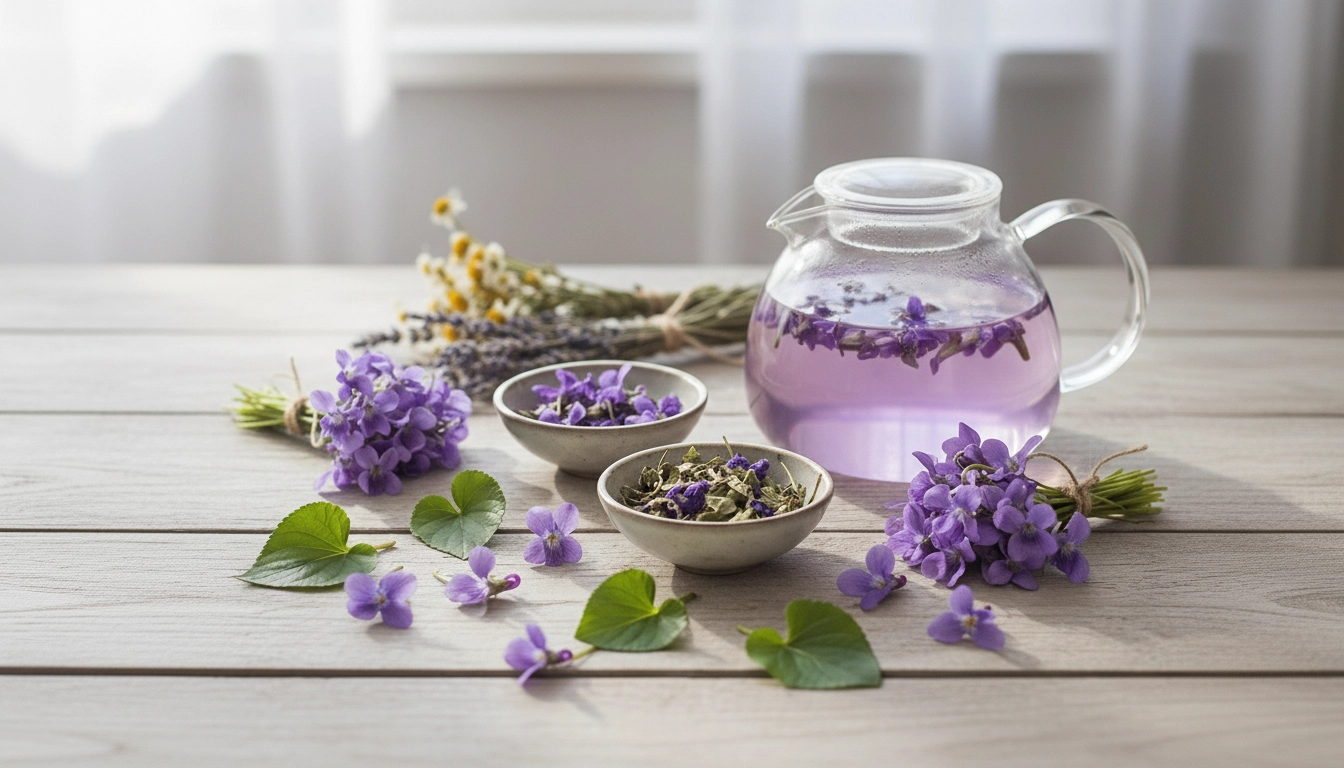
Both the leaves and flowers of violets can be used, often in teas or as fresh additions to salads when you're feeling well enough to eat. They have a mild, pleasant taste and are completely safe for regular use.
Yarrow: The Fever-Breaking Diaphoretic
Yarrow is a master herb when it comes to managing fevers naturally. This common plant, which you might have growing as a weed in your yard, has powerful diaphoretic properties, meaning it helps your body regulate temperature through sweating.
When you have a fever, yarrow can help your body achieve the beneficial effects of increased temperature (like fighting infection) while preventing the fever from becoming dangerously high. It does this by promoting sweating, which naturally cools the body.
Yarrow is also helpful for general aches and pains that often accompany flu, and it has mild antimicrobial properties. Many herbalists consider it an essential herb for any natural first aid kit.
Elder Flowers: The Immune System Supporter
Elder flowers, from the same tree that gives us elderberries, are wonderful for supporting immune function and reducing the severity of cold and flu symptoms. These delicate, cream-colored flowers have a long history of use in traditional European medicine.
Elder flowers are particularly helpful for upper respiratory symptoms like stuffy noses, sinus congestion, and headaches. They have gentle diaphoretic properties similar to yarrow, helping to break fevers naturally.
The flowers can be made into a pleasant-tasting tea that's suitable for the whole family. Many people enjoy elder flower cordial or syrup as both a preventive measure and a treatment during illness.
Incorporating These Herbs Into Your Wellness Routine
The best time to start thinking about these herbs is before flu season hits. Many can be used as gentle daily tonics to support your immune system throughout the colder months.
Here are some practical ways to use these herbs:
- Teas: Many of these herbs make excellent teas. Try combining mullein, elder flowers, and wild cherry bark for a soothing respiratory blend.
- Tinctures: Liquid extracts are convenient and have a long shelf life. Keep a few different tinctures on hand for when symptoms first appear.
- Steam inhalations: Herbs like mullein and horehound can be added to hot water for therapeutic steam treatments.
- Herbal honeys: Infusing honey with herbs like elder flowers or yarrow creates a delicious medicine that's especially appealing to children.
Remember that herbs work best when used consistently and as part of a holistic approach to health. Getting adequate rest, staying hydrated, eating nourishing foods, and managing stress are all important components of staying healthy during flu season.
These eight herbs offer gentle, natural support for your body's own healing wisdom. While they're not magic bullets, they can be valuable allies in helping you navigate the challenges of cold and flu season more comfortably and effectively.
Please consult with your physician prior to starting any herbal remedy. These statements are not meant to diagnose, treat, or cure any illness.
Latest posts

Hibiscus: The Vibrant Secret to a Happy Heart and Balanced Blood Sugar
Read article
Lian Qiao: The "Golden Bell" Herb Your First Aid Kit is Missing
Read article
Introducing Hair Botanica™: The Surfactant-Free Way to Cleanse and Restore Your Hair
Read article