

Have you ever walked through a garden and felt like the plants were somehow communicating with you? That sense of connection isn't just your imagination – it's touching on something ancient healers have known for millennia. Welcome to the world of anima botanica, the soul of plants.
This concept goes way beyond just using herbs for their chemical compounds. It's about recognizing that plants have their own intelligence, their own spirit, and their own unique way of healing us that modern science is only beginning to understand.
What Does Anima Botanica Really Mean?
"Anima botanica" literally translates to "plant soul" – the idea that plants possess a living consciousness that can interact with our own healing journey. It's not just New Age thinking; indigenous cultures worldwide have based their medicine on this principle for thousands of years.
Think about it: when you smell lavender, you don't just experience a pleasant scent. Your nervous system instantly starts to relax, your breathing deepens, and your mind calms. That's the plant's anima working with your body's natural healing mechanisms in ways that go beyond just the chemical compound linalool.

Traditional healers understood that plants weren't just ingredients to be mixed together – they were allies with their own wisdom about how to heal specific conditions. This is why the same herb might work differently for different people, or why some plant combinations seem to work better than others, even when the chemistry suggests they should be equivalent.
Ancient Wisdom Meets Modern Understanding
For centuries, shamans, herbalists, and traditional medicine practitioners have worked with what they called "plant teachers." They believed that plants could communicate their healing properties directly to those who learned to listen. This wasn't considered mystical nonsense – it was practical medicine based on careful observation and deep relationship with the natural world.
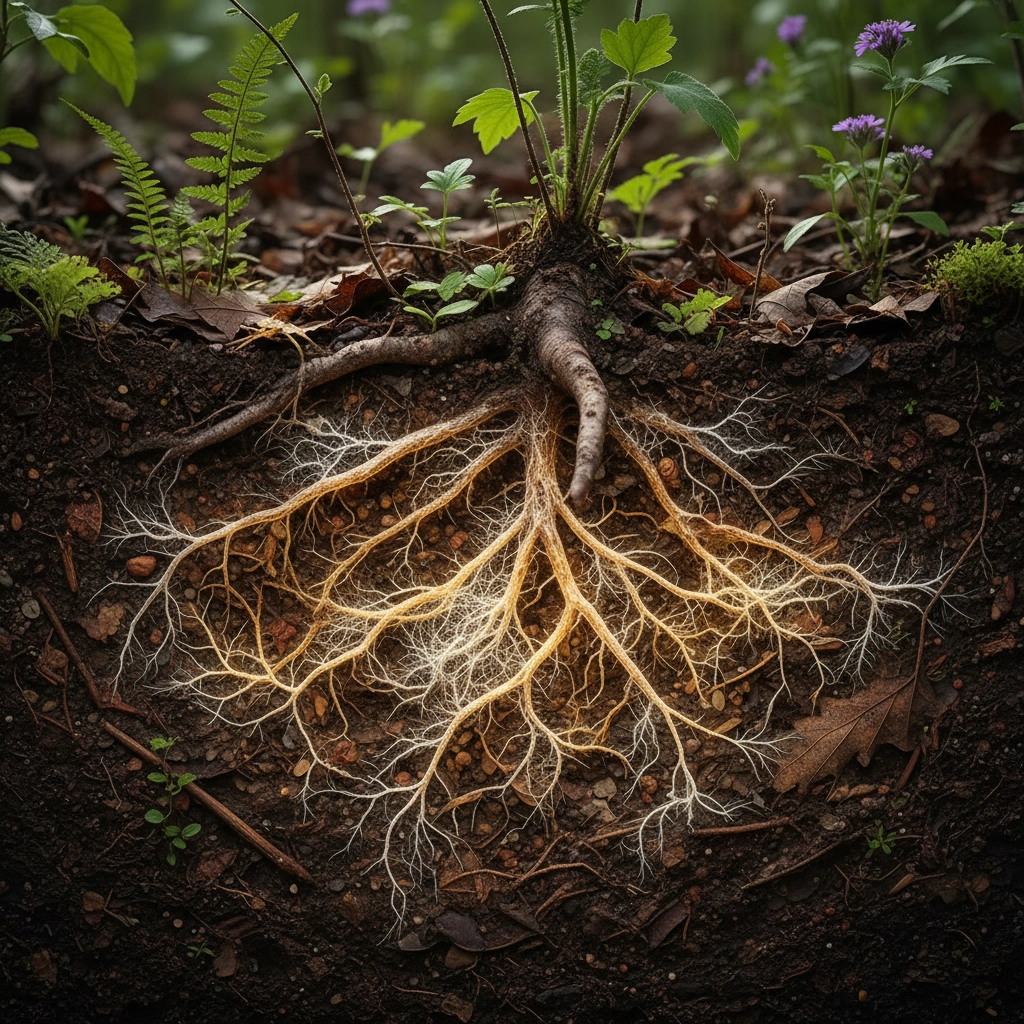
Modern research is starting to catch up with this ancient wisdom. We're learning that plants communicate through chemical signals, respond to their environment in complex ways, and even show forms of memory and learning. Studies on forest networks reveal that trees share resources and information through underground fungal networks, essentially "talking" to each other about threats and opportunities.
When it comes to healing, this plant intelligence shows up in remarkable ways. Take willow bark, for example – it doesn't just contain salicin (the precursor to aspirin). It also contains compounds that protect your stomach lining from the potentially harmful effects of salicin. The plant somehow "knew" to include its own built-in safety mechanism.
The Soul of Topical Healing
This plant wisdom becomes especially fascinating when we look at topical treatments. Your skin isn't just a barrier – it's your largest organ and a direct pathway for plant medicines to enter your system. When you apply a plant-based salve or oil, you're not just getting the active compounds; you're receiving the full spectrum of the plant's healing intelligence.
Traditional Chinese medicine has long recognized this through practices like herbal poultices and liniments. The famous Dit Da Jow formulations, used by martial artists for centuries, weren't created by analyzing individual compounds. They were developed through generations of healers who understood how different plants worked together to address not just pain, but the underlying imbalances that created the pain in the first place.
What's remarkable is how plants seem to know exactly where they're needed most. When you apply a topical herbal treatment, the active compounds don't just randomly distribute – they tend to concentrate in areas of inflammation, injury, or imbalance. It's as if the plant's anima guides the healing process to where it's most needed.
Plant Consciousness in Beauty and Skincare
The concept of anima botanica extends beautifully into natural skincare and beauty. Your skin reflects your overall health and vitality, and plants seem to understand this connection intuitively. Rather than just addressing surface symptoms, plant-based beauty treatments work with your skin's natural healing and renewal processes.
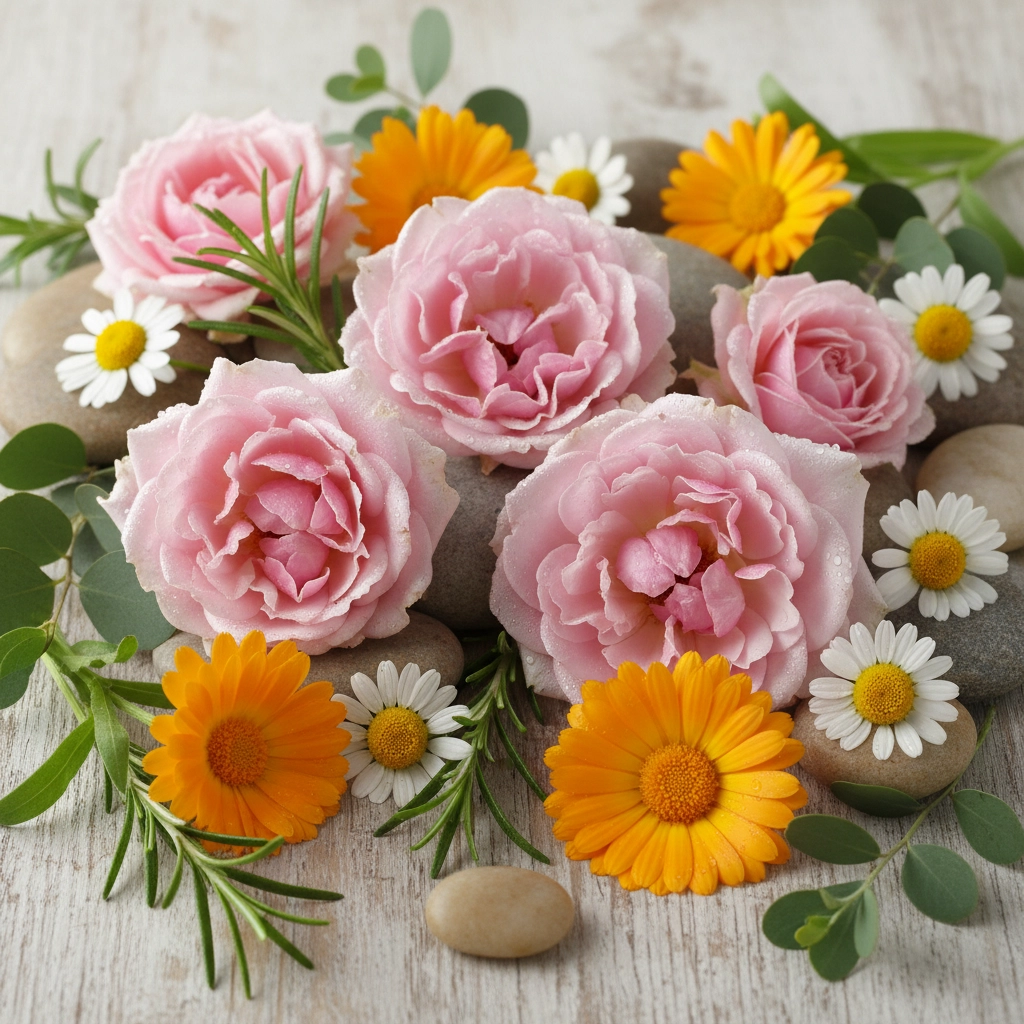
Consider how rose oil doesn't just moisturize – it helps regulate oil production, reduces inflammation, and promotes cellular regeneration. Or how calendula doesn't just soothe irritation – it actually helps damaged tissue repair itself more effectively. These plants appear to have an innate understanding of what healthy skin needs to thrive.
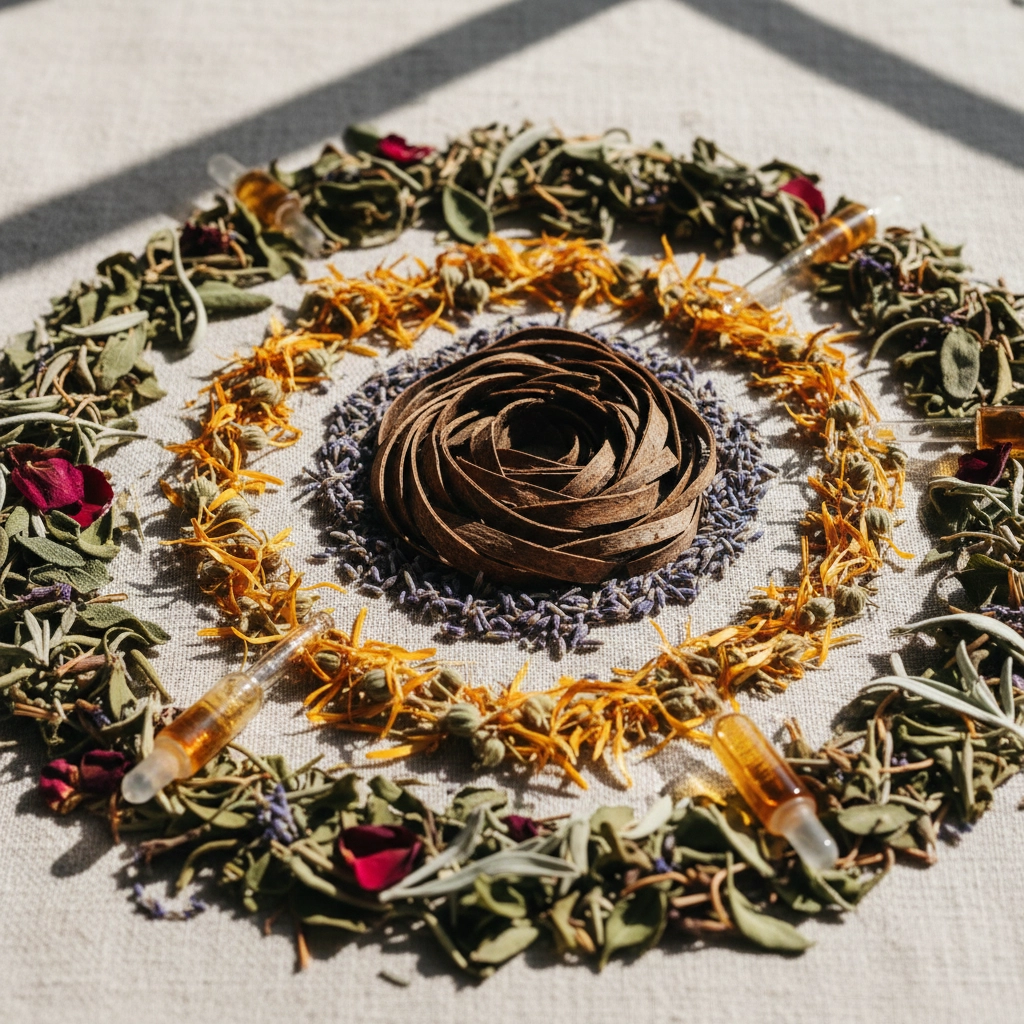
Ancient beauty traditions from around the world recognized this plant wisdom. Ayurvedic skincare used herbs not just for their immediate effects, but for their ability to balance the body's underlying energies. Traditional European herbalism included plants in beauty preparations based on their "doctrine of signatures" – the belief that plants reveal their healing properties through their appearance and characteristics.
How AEtherbal Honors Plant Intelligence
At AEtherbal, we deeply respect this ancient understanding of plant consciousness while applying modern extraction and formulation techniques. We don't just throw together ingredients based on their individual properties – we carefully consider how different plants work together synergistically, honoring the traditional combinations that have proven effective over centuries.
Our approach recognizes that healing happens on multiple levels. When you use one of our topical treatments, you're not just getting pain relief or skin improvement – you're engaging with plant allies that want to support your overall well-being. This is why our formulations often work better than the sum of their individual parts would suggest.
We source our botanical ingredients with respect for both the plants and the traditional knowledge systems that first recognized their healing properties. This means working with growers who understand sustainable cultivation, supporting indigenous communities who have maintained this plant wisdom, and ensuring that our extraction methods preserve the full spectrum of each plant's healing intelligence.
Connecting With Plant Wisdom in Daily Life
You don't need to be a trained herbalist to start developing your own relationship with plant consciousness. Here are some simple ways to begin:
Mindful Application: When using any plant-based topical treatment, take a moment to appreciate the plants involved. Notice how your body responds not just physically, but how you feel overall. Many people report that mindful application enhances the effectiveness of herbal treatments.
Garden Meditation: If you have access to plants – even houseplants – spend quiet time with them regularly. Notice their subtle changes, their responses to care, and how being near them affects your mood and energy.
Seasonal Awareness: Pay attention to which plants naturally grow in your area during different seasons. Traditional herbalism recognized that we often need the medicine that grows near us at the time it's available.
Intuitive Selection: When choosing herbal products, notice which ones you're drawn to beyond just their stated benefits. Sometimes our bodies know what they need before our minds do.
The Future of Plant-Conscious Healing
As we move forward, we're seeing an exciting convergence of ancient plant wisdom and modern scientific understanding. Research in areas like phytochemistry, aromatherapy, and even quantum biology is beginning to explain mechanisms behind traditional healing practices that were once dismissed as placebo effects.
This doesn't diminish the mystery and wonder of plant consciousness – it enhances it. The more we learn about plants, the more remarkable their intelligence appears. From their ability to produce exactly the right compounds in response to environmental challenges, to their complex communication networks, to their sophisticated healing chemistry, plants continue to amaze us with their wisdom.
The future of natural healing lies in this integration: respecting traditional plant knowledge while using modern tools to understand and optimize plant medicine. It's about recognizing that we're not just using plants – we're partnering with them in our healing journey.
Embracing Your Own Plant Partnership
The concept of anima botanica invites us to shift from thinking about plants as passive ingredients to recognizing them as active partners in our wellness journey. This doesn't require any special beliefs or practices – just an openness to the possibility that the natural world has more wisdom to offer than we might have previously considered.
Next time you use a plant-based treatment, whether it's for pain relief, skincare, or general wellness, take a moment to acknowledge the plants involved. Thank them for their gifts. Notice not just the immediate effects, but how they make you feel on deeper levels. You might be surprised by what you discover.
The soul of plants has been waiting patiently for us to remember this ancient partnership. In our modern world of synthetic solutions and quick fixes, returning to plant wisdom offers not just effective healing, but a sense of connection to the natural world that nourishes our spirits as much as our bodies.
Remember, healing is not just about fixing what's wrong – it's about returning to wholeness. And in that journey toward wholeness, the plant kingdom offers some of our most wise and willing allies.
Please consult with your physician prior to starting any herbal remedy. These statements are not meant to diagnose, treat, or cure any illness.
Latest posts

The Parkinson's-Pesticide Connection: What You Need to Know & How to Protect Yourself
Read article
Strong Roots, Strong Heart: How Herbs + Lifestyle Support Cardiovascular Wellness
Read article
Hibiscus: The Vibrant Secret to a Happy Heart and Balanced Blood Sugar
Read article