

When cold and flu season rolls around, many of us start reaching for whatever we can find to ease those miserable symptoms. But before you head to the pharmacy, consider looking to nature's medicine cabinet instead. Bee balm (Monarda), a beautiful flowering herb that's been trusted for centuries, might just be the natural relief you've been searching for.
This vibrant member of the mint family isn't just a pretty face in your garden, it's a powerhouse of healing properties that can help you feel better faster when cold and flu symptoms strike. Let's dive into why bee balm deserves a spot in your natural wellness routine this winter.
What Makes Bee Balm So Effective?
Bee balm works as what herbalists call a "diffusive herb." Think of it as nature's way of bringing warmth from your body's core out to where you need it most, helping to break up that stagnant, congested feeling that comes with being under the weather. This warming quality is especially helpful when you're dealing with chills or that bone-deep cold that seems to settle in during illness.
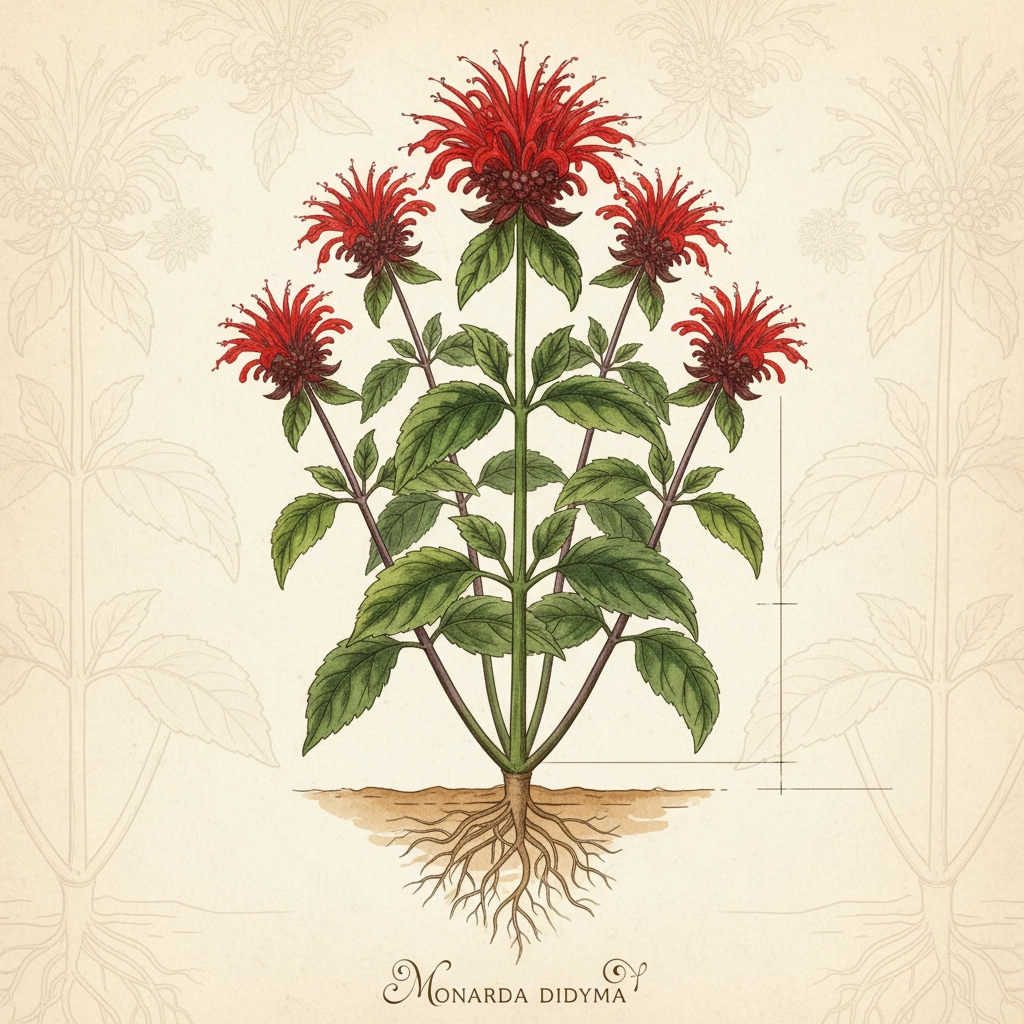
The secret to bee balm's effectiveness lies in its rich thymol content, the same powerful antimicrobial compound found in thyme and oregano. This natural chemical gives bee balm its impressive antimicrobial, antiviral, and antifungal properties, essentially helping your body's defense system fight off those pesky pathogens that are making you feel terrible.
But here's something really cool: bee balm's antimicrobial properties aren't just working inside your body. The herb actually has airborne antimicrobial effects, meaning it can help clean up infectious pathogens in your environment too. It's like having a natural air purifier working alongside your immune system.
Tackling Those Stubborn Cold and Flu Symptoms
Sore Throats and Persistent Coughs
Anyone who's dealt with a scratchy, painful throat knows how miserable it can make you feel. Bee balm shines here with its natural ability to soothe irritated throat tissues. When infused into honey, it creates a gentle, effective throat soother that tastes way better than most over-the-counter options.
The herb's antispasmodic properties also make it incredibly helpful for those annoying coughs that just won't quit. Whether you're dealing with a dry, hacking cough or productive congestion, bee balm can help calm the spasms that keep you (and everyone around you) awake at night.
Breaking Up Congestion
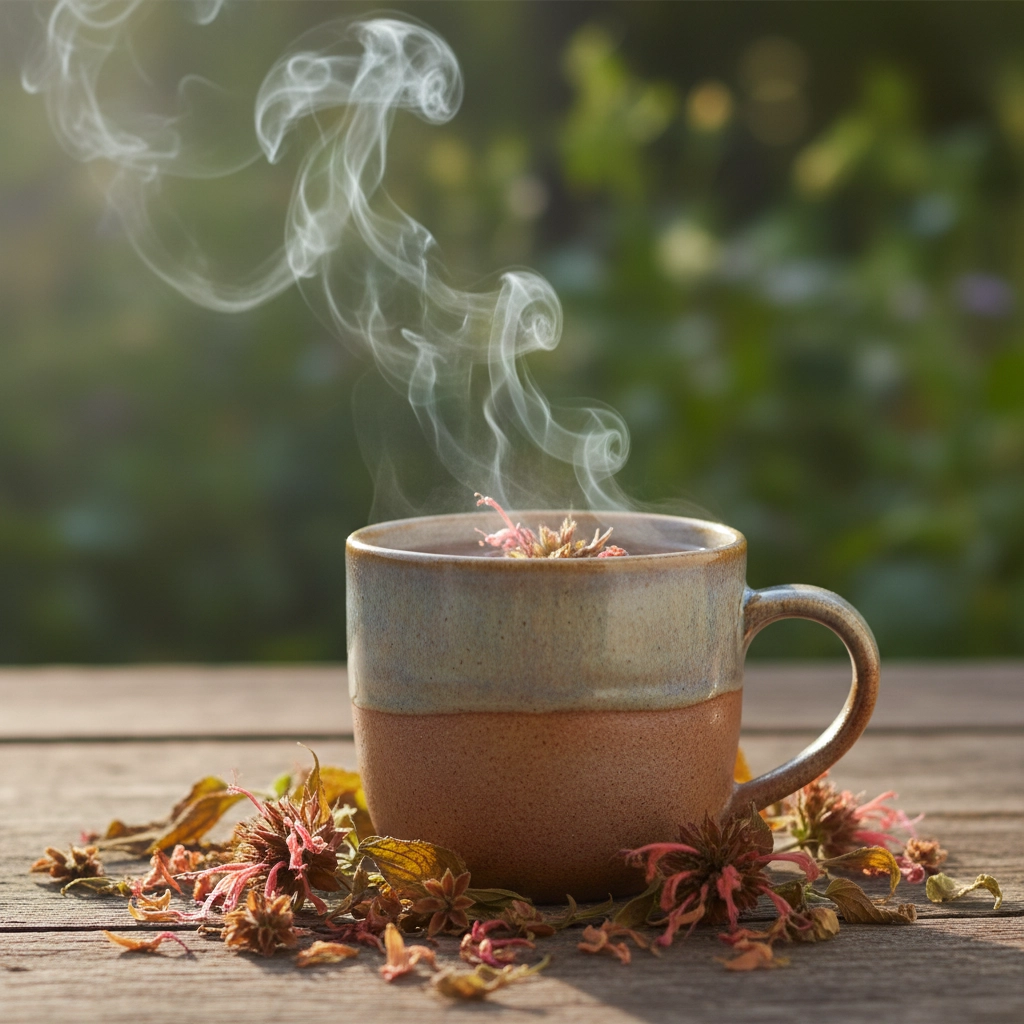
That stuffy, can't-breathe feeling is one of the worst parts of being sick. Bee balm acts as a natural decongestant, helping to loosen up all that thick, stubborn mucus that's settled in your nose and chest. The hot tea works particularly well here, the steam carries the herb's active compounds right where they need to go, while the heat helps thin out congestion.
Managing Fevers and Chills
When you're running a fever but feeling cold and clammy at the same time, bee balm can be incredibly comforting. The warming properties help balance out those uncomfortable temperature fluctuations, while the herb supports your body's natural healing processes. It's especially helpful for what herbalists call "damp" fevers, the kind where you feel cold and sweaty rather than hot and dry.
How to Use Bee Balm for Maximum Benefit
The beauty of bee balm is its versatility. You can prepare it in several different ways, depending on your symptoms and preferences.
Simple Tea or Infusion
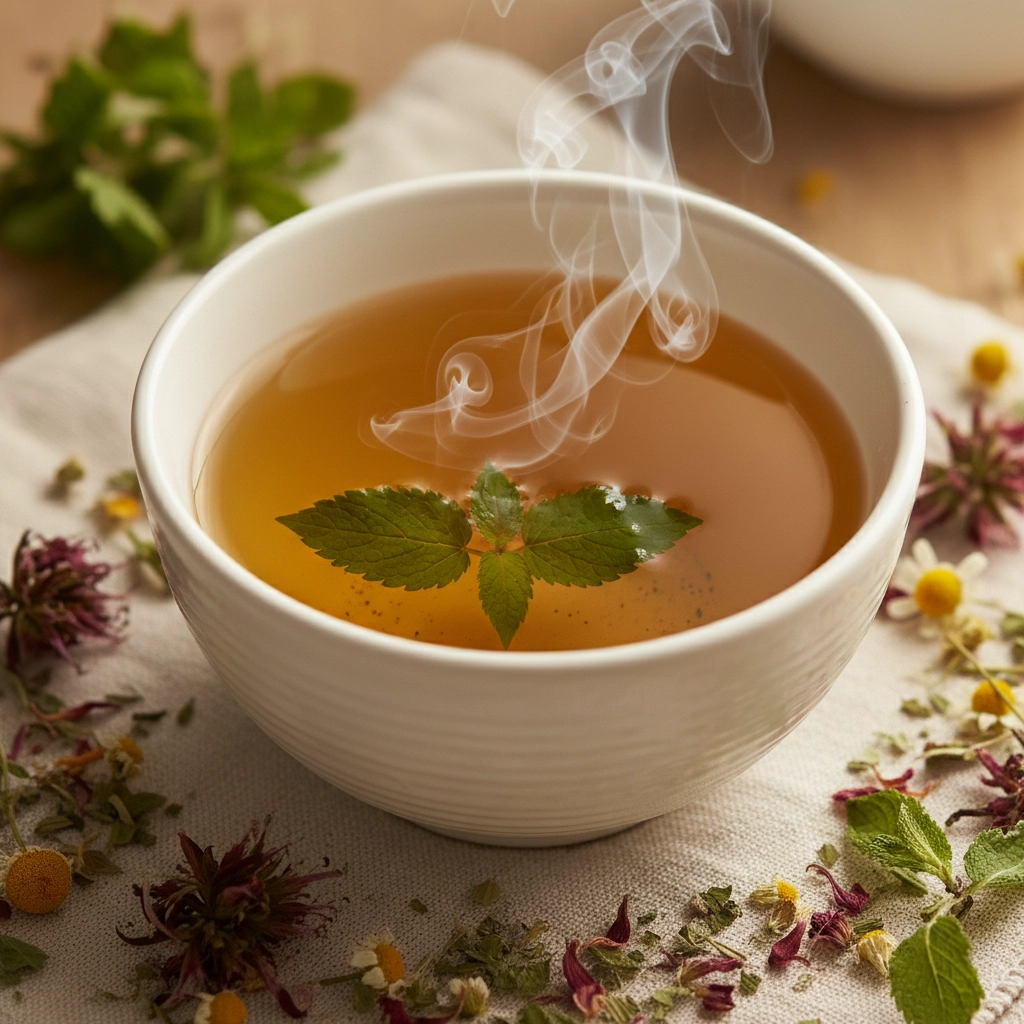
This is probably the easiest and most effective way to use bee balm. Simply pour hot water over dried or fresh bee balm leaves and let it steep for 10-15 minutes. The resulting tea is perfect for sore throats, congestion, and fever support. Drink it while it's still hot to get the most benefit from the steam.
Infused Honey
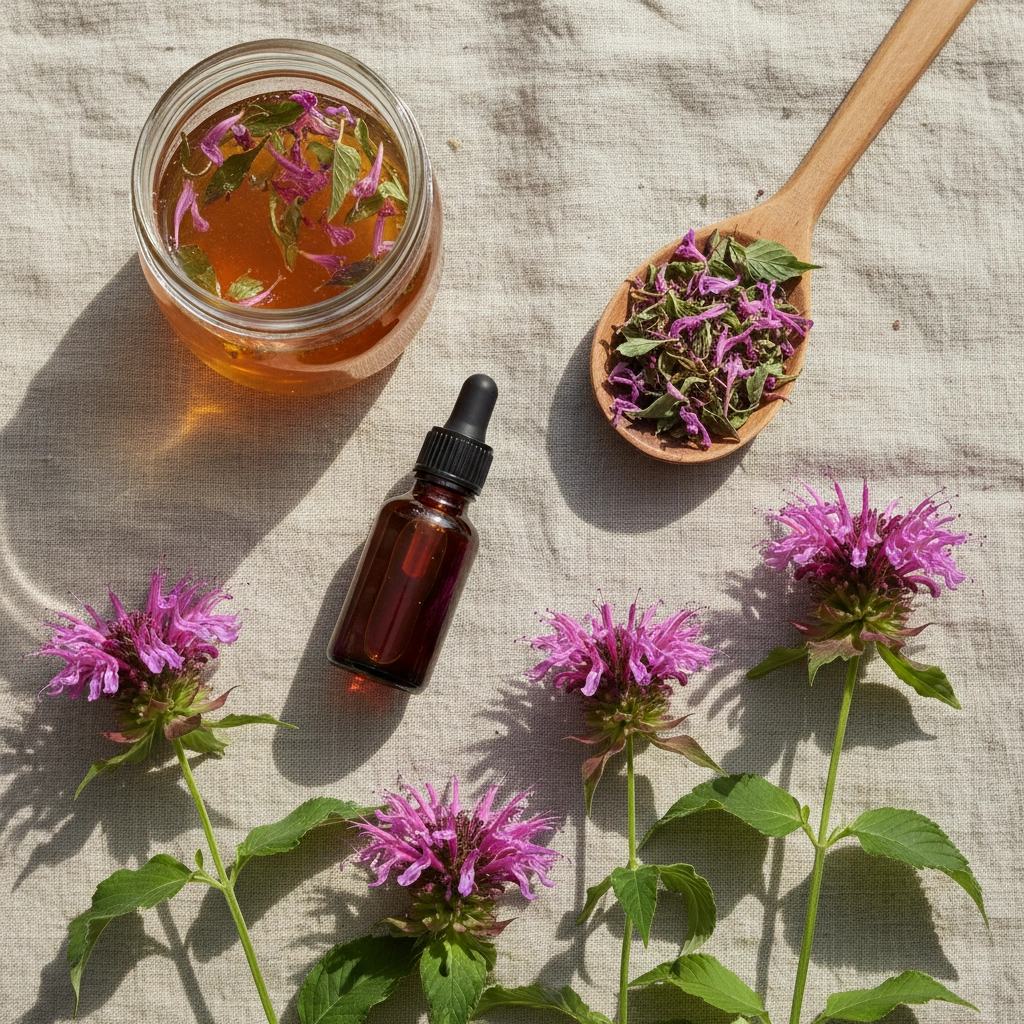
Combine the soothing properties of honey with bee balm's healing compounds by making an infused honey. This is especially great for kids (over one year old) or anyone who finds the straight tea too strong. Take a spoonful as needed for throat comfort, or stir it into warm water for a gentler tea.
Steam Inhalation
Pour bee balm tea into a large bowl, lean over it with a towel over your head, and breathe in the steam. This direct approach gets the herb's compounds right into your respiratory system, helping to loosen mucus and clear out congestion. Just be careful not to get too close, you want therapeutic steam, not a burn.
Herbal Oxymel
This traditional preparation combines bee balm with apple cider vinegar and honey, creating something like a natural cough syrup. The vinegar helps extract the herb's properties while adding its own antimicrobial benefits, and the honey makes it palatable. Take it by the spoonful when symptoms flare up.
Tincture Form
For those who prefer a more concentrated approach, bee balm tinctures offer convenience and potency. A few drops in water, taken 1-3 times daily, can provide ongoing support throughout your illness.
Beyond Respiratory Relief
While bee balm is fantastic for cold and flu symptoms, it offers additional benefits that can help you feel better overall during illness. Its carminative properties support healthy digestion, which is especially helpful when your appetite is off or you're dealing with nausea that sometimes accompanies respiratory infections.
The herb also has a calming effect that can help you rest better, and we all know how important good sleep is for recovery.
Safety and Considerations
Like any herbal remedy, bee balm should be used thoughtfully. Most people tolerate it well, but it's always smart to start with small amounts to see how your body responds. The herb is generally considered safe for most adults when used appropriately.
However, bee balm should not be used during pregnancy, as it has emmenagogue properties that can affect menstrual cycles and potentially impact pregnancy.
Quality Matters
When you're choosing bee balm products, quality makes a huge difference in effectiveness. Look for suppliers who prioritize proper harvesting, drying, and storage methods. At AEtherbal, we understand that the potency of herbal remedies depends on careful attention to these details from plant to product.
Making Bee Balm Part of Your Winter Wellness Routine
The best approach with any herbal remedy is consistency rather than waiting until you're already miserable. Consider incorporating bee balm tea into your regular routine during cold and flu season, not just when symptoms hit, but as gentle, ongoing support for your immune system.
Keep some dried bee balm on hand so you're ready when symptoms first appear. Early intervention often means shorter, milder illness duration. And remember, herbs work best as part of a complete wellness approach that includes plenty of rest, good nutrition, and staying hydrated.
Whether you're dealing with your first sniffle of the season or you're in the thick of a full-blown cold, bee balm offers gentle, effective support that works with your body's natural healing processes. It's one of those time-tested remedies that reminds us why our ancestors turned to plants for healing, because they really work.
This winter, instead of just suffering through cold and flu season, consider giving bee balm a try. Your throat, your sinuses, and your overall well-being might just thank you.
These statements have not been evaluated by the Food and Drug Administration. This product (or remedy) is not intended to diagnose, treat, cure, or prevent any disease. Please consult with your physician or qualified health care provider before starting any herbal remedy or supplement.
Latest posts

The Parkinson's-Pesticide Connection: What You Need to Know & How to Protect Yourself
Read article
Strong Roots, Strong Heart: How Herbs + Lifestyle Support Cardiovascular Wellness
Read article
Hibiscus: The Vibrant Secret to a Happy Heart and Balanced Blood Sugar
Read article