

If you've ever experienced a gout flare-up, you know how painful it can be. That sudden, intense joint pain, often in your big toe, can stop you in your tracks. While conventional medications certainly have their place, many people are turning to natural remedies to complement their treatment plans or reduce their reliance on pharmaceuticals.
Two herbs that have caught the attention of both researchers and herbalists are parsley and celery seed. While they might seem like ordinary kitchen ingredients, these plants pack some serious potential when it comes to managing gout symptoms. Let's break down what makes this duo worth considering.
Understanding Gout: The Basics
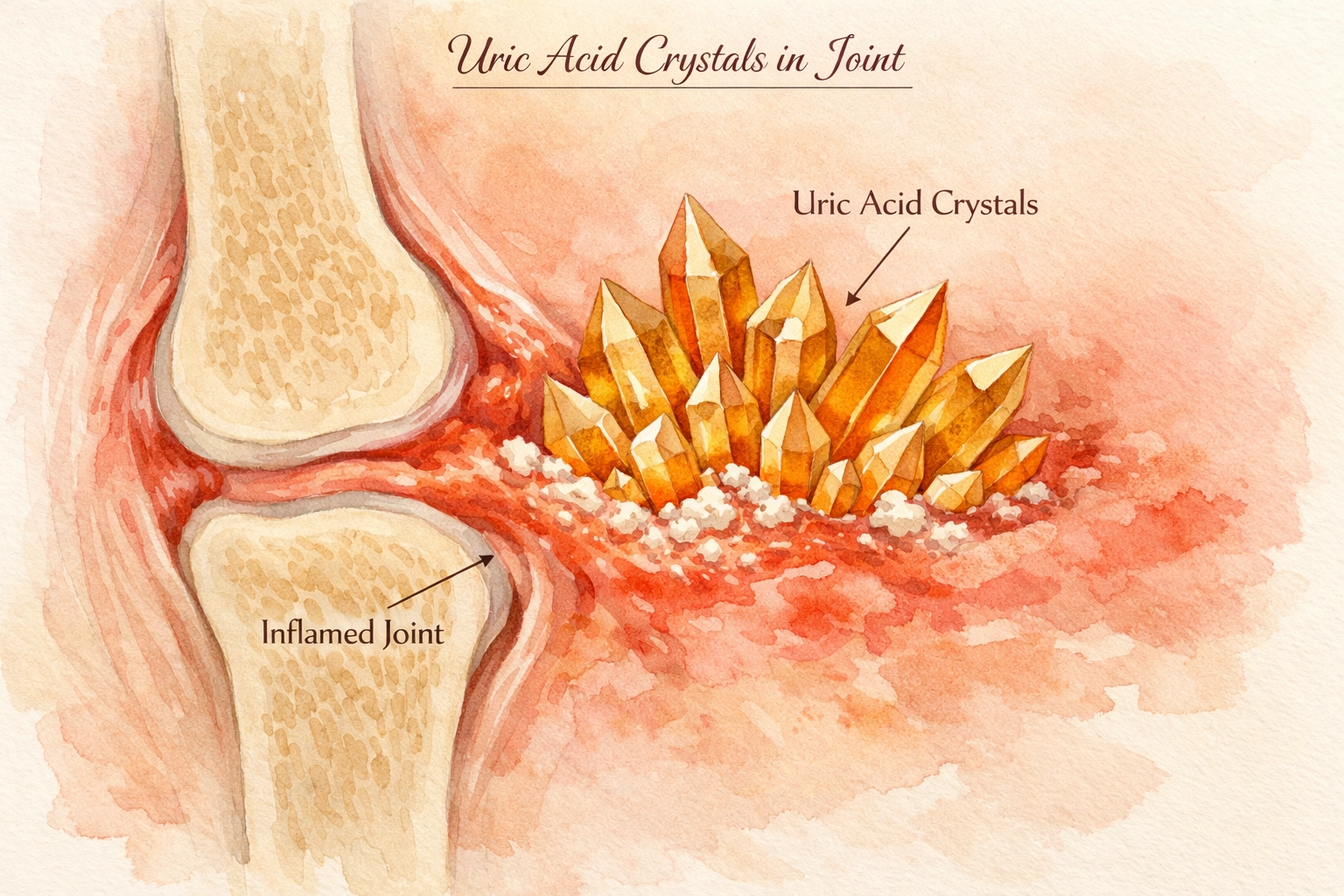
Before we dive into remedies, let's talk about what's actually happening in your body during a gout attack. Gout is a form of inflammatory arthritis caused by high levels of uric acid in your blood. When uric acid builds up, it forms sharp crystals that settle in your joints, and those crystals are what cause that excruciating pain and swelling.
Your body naturally produces uric acid when it breaks down purines, substances found in certain foods and drinks. Normally, your kidneys filter out excess uric acid, but sometimes this process doesn't work quite right. Either your body produces too much uric acid, or your kidneys can't eliminate enough of it. The result? Gout.
The Science Behind Celery Seed
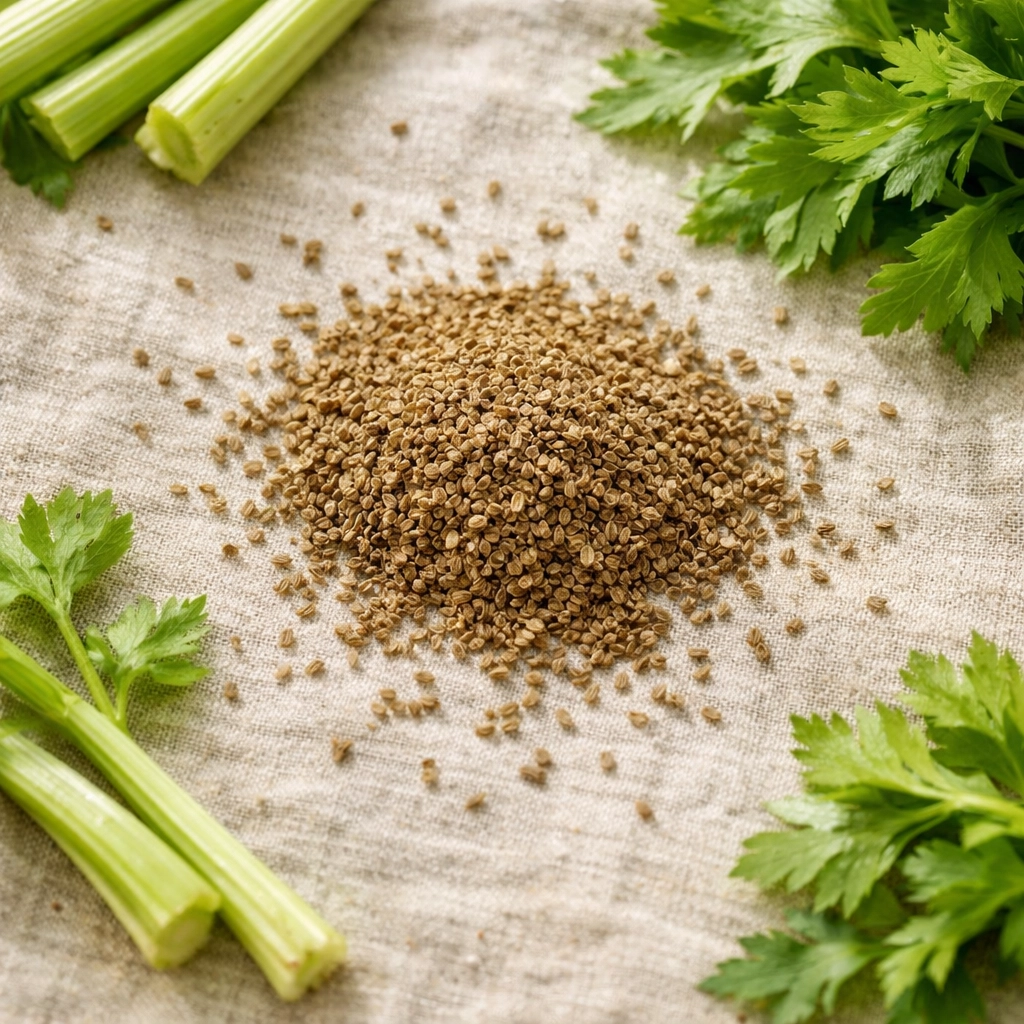
Celery seed has the stronger scientific backing of this herbal duo. Researchers have identified several active compounds in celery seed that may help people dealing with gout.
Key Compounds That Matter
Luteolin is a powerful flavonoid found in celery seed that appears to reduce uric acid levels and calm inflammatory responses in the body. Think of it as a natural dial that turns down inflammation.
3-n-butylphthalide (3nB) and beta-selinene are two other compounds that bring anti-inflammatory and antioxidant benefits to the table. These substances work together to help your body manage both the cause and symptoms of gout.
What the Research Shows
Animal studies have demonstrated some pretty compelling results. Celery seed extracts have been shown to:
- Lower serum uric acid levels in the bloodstream
- Decrease inflammatory markers like interleukin-1β and tumor necrosis factor-α (those are the molecules that signal inflammation)
- Inhibit xanthine oxidase, an enzyme that plays a key role in producing uric acid
While we need more human clinical trials to confirm these effects, the existing research provides a solid foundation for why celery seed might help with gout management.
What About Parsley?
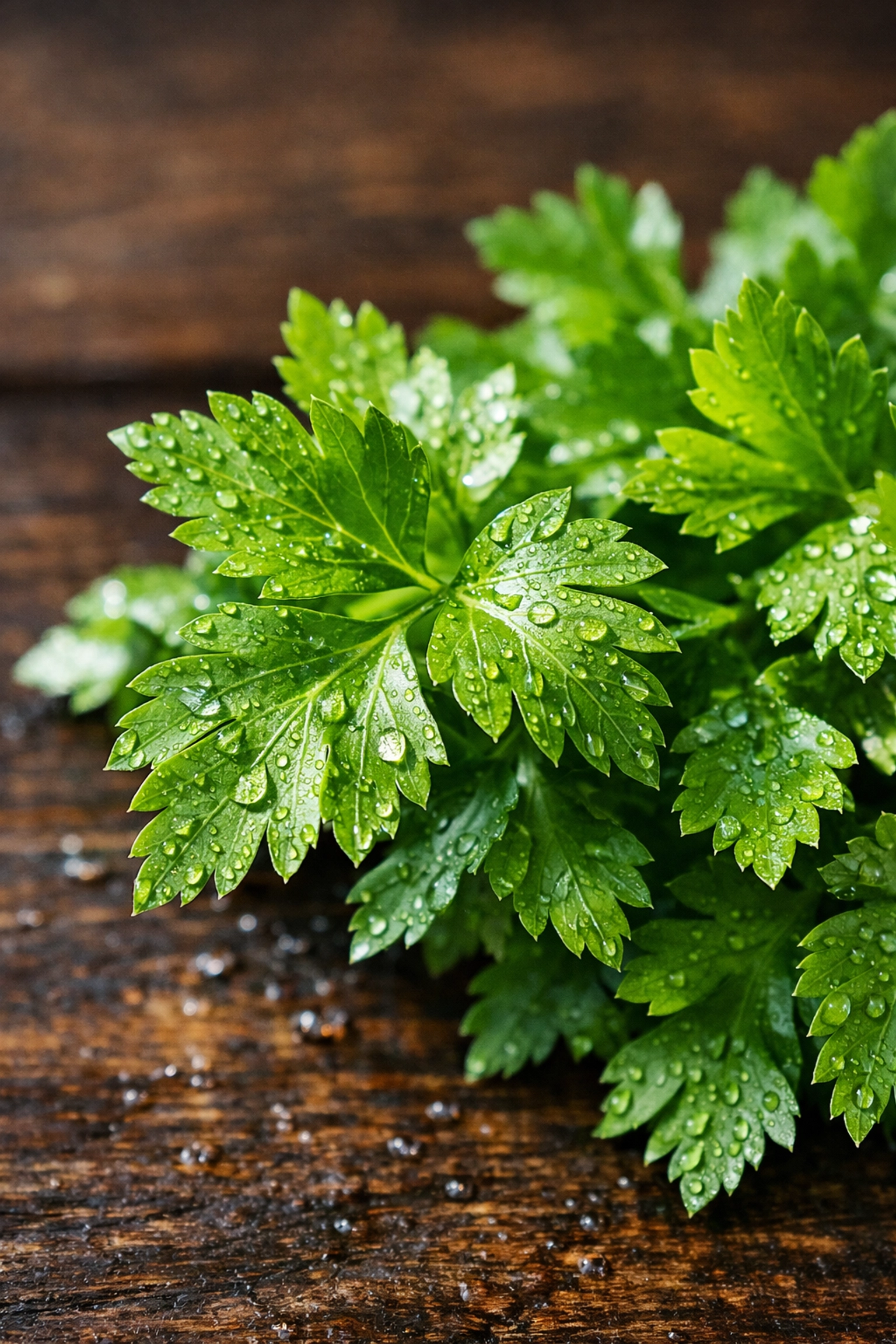
Parsley doesn't have the same level of scientific research specific to gout, but it's been used in traditional medicine for various inflammatory conditions. Parsley is rich in vitamins, minerals, and antioxidants that support overall health and may help reduce inflammation throughout the body.
What's particularly interesting is that my teacher, herbalist David Winston, has reported "significant success using a base formula of Parsley herb and Celery seed (as tinctures) for treating gout." in class he taught that this was one of his go to favorites for daily management of gout. Studies have show that the combination of the two herbs reduce serum BUN and uric acid. There is a powerful synergistic affect at work with these two herbs.
Why This Combination Makes Sense
Here's the thing about herbal medicine, sometimes the whole is greater than the sum of its parts. While celery seed attacks the problem from multiple angles (reducing uric acid production, fighting inflammation, providing antioxidants), parsley may enhance these effects or provide complementary benefits.
Think of it like a team approach. Celery seed tackles the uric acid problem head-on, while parsley supports your body's overall inflammatory response and provides additional nutritional support. Together, they may create a more comprehensive approach to managing gout than either herb alone.
How to Use Celery Seed and Parsley for Gout
If you're considering trying this natural approach, you have several options.
Tincture Combinations
Herbalist David Winston's approach uses both herbs as tinctures, which allows for easy combination and absorption. Tinctures are alcohol-based extracts that preserve the active compounds in the herbs. The typical approach would be to combine equal parts of parsley herb tincture and celery seed tincture, though you should work with a qualified herbalist to determine the right dosage for your specific situation.
Dietary Incorporation
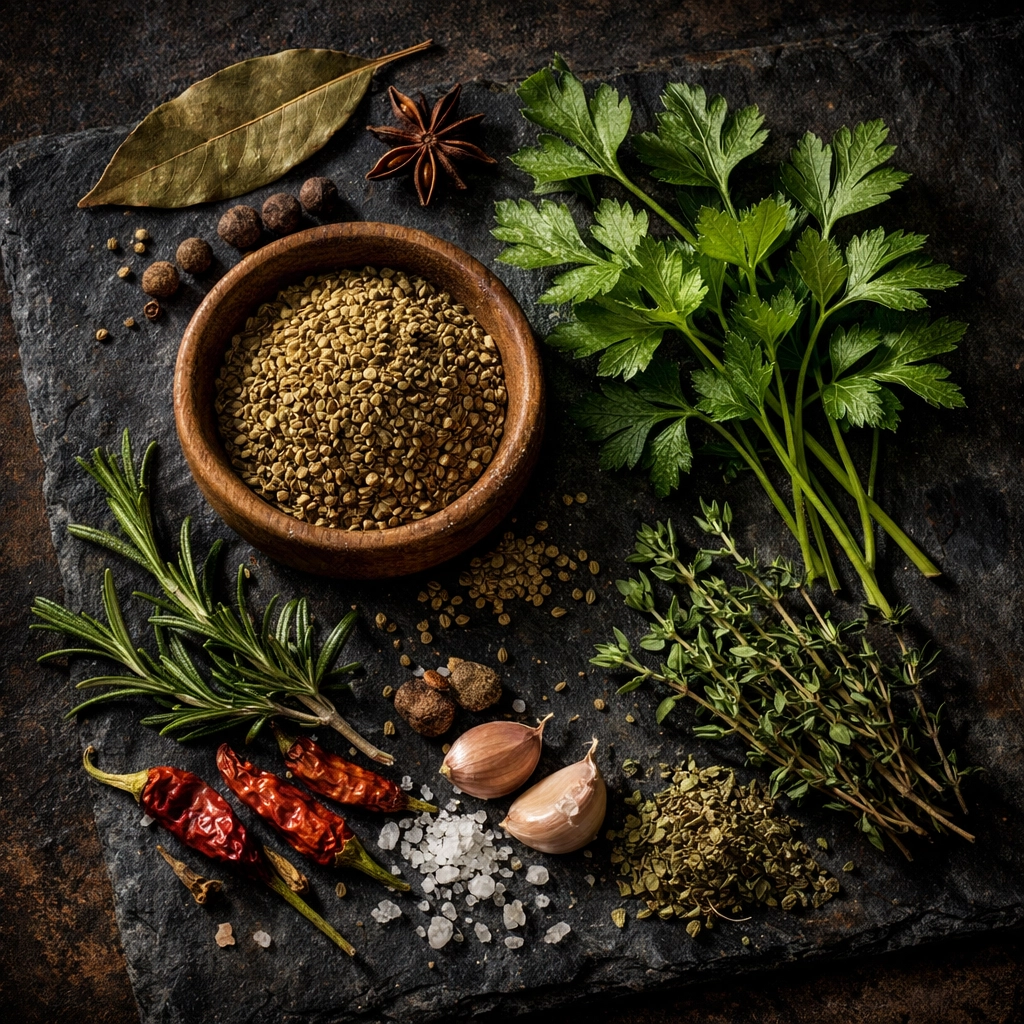
While supplements contain concentrated amounts of active compounds, you can also incorporate these herbs into your daily diet. Celery seeds make a great addition to salads, soups, and casseroles. Fresh parsley can be added to virtually any savory dish. Just keep in mind that the seeds contain more beneficial compounds than celery stalks or juice, so don't expect the same benefits from munching on celery sticks.
Important Considerations
Before you rush out to buy supplements, let's talk about some important safety considerations.
Talk to Your Doctor
This cannot be stressed enough: consult with your healthcare provider before starting any herbal supplement regimen, especially if you're already taking gout medications or have other health conditions. Herbs can interact with medications, and what works for someone else might not be appropriate for you.
Quality Matters
Not all supplements are created equal. Look for reputable brands that use third-party testing to verify the purity and potency of their products. Check for certifications from organizations like USP, NSF, or ConsumerLab.
Be Patient
Natural remedies typically work more slowly than pharmaceutical medications. You might not notice immediate relief, but over time, these herbs may help reduce the frequency and severity of gout attacks. Keep a journal to track your symptoms and any changes you notice.
Don't Abandon Your Treatment Plan
These herbs should complement, not replace, your existing gout management strategy. Continue following your doctor's recommendations regarding diet, hydration, medication, and lifestyle changes.
The Bottom Line
Parsley and celery seed represent an intriguing natural approach to gout management. While celery seed has solid scientific support for reducing uric acid and inflammation, the combination with parsley is based more on traditional herbal practice and clinical observation. That doesn't mean it isn't worth considering, just that you should approach it with realistic expectations and proper medical guidance.
If you're dealing with recurring gout attacks and looking for natural options to add to your toolbox, this herbal duo might be worth exploring. Just remember that managing gout effectively usually requires a multi-faceted approach: staying hydrated, limiting high-purine foods, maintaining a healthy weight, and working closely with your healthcare provider.
Natural remedies work best when they're part of a comprehensive plan tailored to your individual needs. Whether you choose to try parsley and celery seed or explore other options, the goal is the same: finding what helps you live more comfortably with less pain.
Please consult with your physician prior to starting any herbal remedy. These statements are not meant to diagnose, treat, or cure any illness.
Latest posts

The Parkinson's-Pesticide Connection: What You Need to Know & How to Protect Yourself
Read article
Strong Roots, Strong Heart: How Herbs + Lifestyle Support Cardiovascular Wellness
Read article
Hibiscus: The Vibrant Secret to a Happy Heart and Balanced Blood Sugar
Read article
