

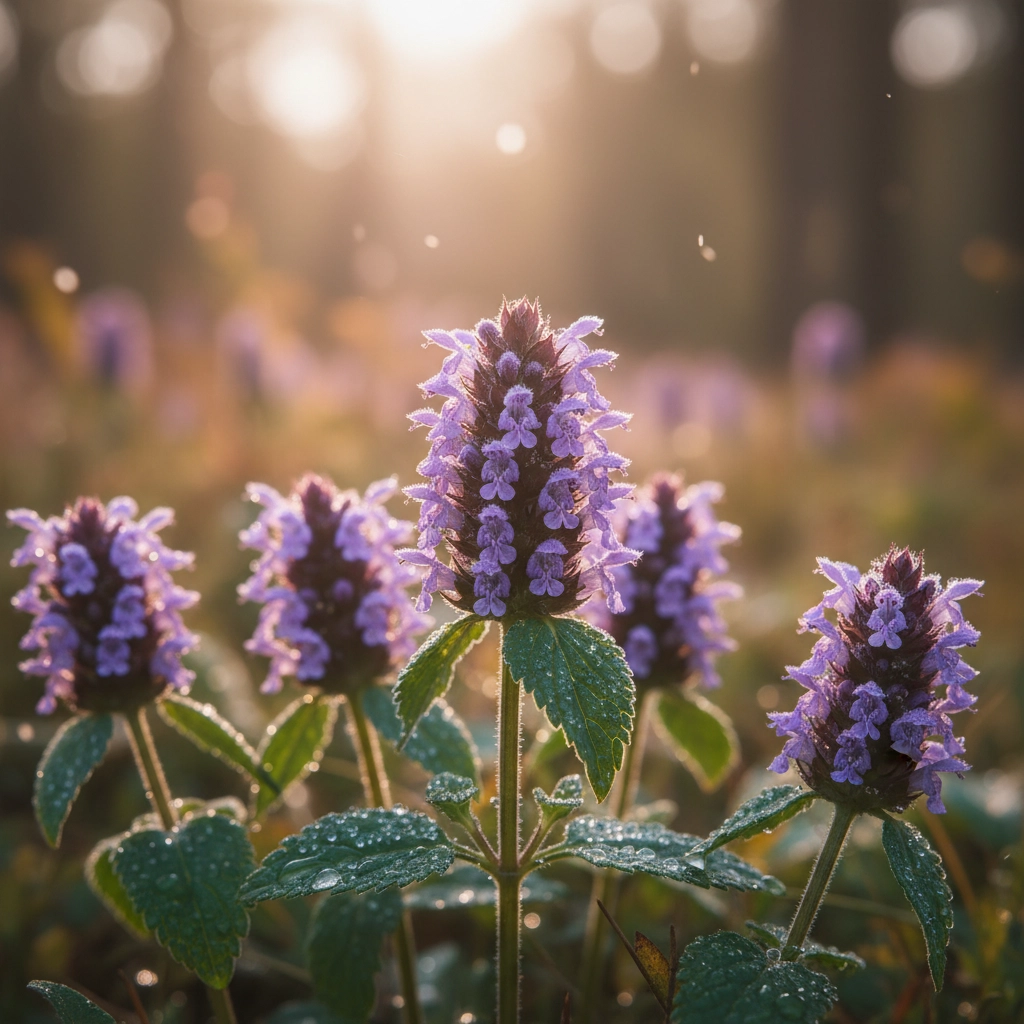
Have you ever walked through a meadow and noticed those small purple flowers growing close to the ground? Chances are, you were looking at one of nature's most powerful healers: Prunella vulgaris. Known by many names: self heal, heal all, carpenter's herb, and heart of the earth: this humble little plant has been quietly working its magic for centuries.
What makes this herb so special that it earned the name "heal all"? The answer lies in its remarkable ability to address multiple health concerns, from minor cuts and scrapes to more complex inflammatory conditions. At AEtherbal, we believe in harnessing the power of nature's pharmacy, and Prunella vulgaris perfectly embodies our approach to natural wellness.
A Plant with Many Names, One Mission
Prunella vulgaris belongs to the mint family (Lamiaceae), which explains its distinctive square stem and aromatic qualities. Early European settlers called it "heart of the earth," recognizing its profound healing abilities. The name "carpenter's herb" came from its traditional use in treating wounds from sharp tools: a common occupational hazard in bygone eras.
This low-growing perennial produces beautiful violet-blue flowers arranged in distinctive whorls, but it's the entire above-ground portion: flowers, leaves, and stems: that contains the plant's medicinal treasure trove.
The Science Behind the Healing
What gives self heal its impressive healing powers? Modern research has identified several key compounds that work together to create this herb's therapeutic effects:
Rosmarinic Acid: This powerful antioxidant provides anti-inflammatory and antimicrobial properties, helping reduce swelling and fight infection.
Ursolic and Oleanolic Acids: These compounds contribute to the herb's anti-inflammatory and potential anticancer activities.
The combination of these bioactive compounds gives Prunella vulgaris its impressive range of properties: antibacterial, anti-inflammatory, antiviral, antiseptic, astringent, and antioxidant. It's like having a natural pharmacy in a single plant.
Traditional Uses: Time-Tested Healing
For centuries, herbalists and traditional healers have turned to self heal for various ailments. Its cooling, moistening qualities make it particularly effective for conditions involving heat and dryness.
Wound Care and Skin Health
Perhaps the most famous use of self heal is for wound care. The herb's astringent and antimicrobial properties make it excellent for treating cuts, scrapes, and bruises. Traditional applications include:
- Fresh leaf poultices applied directly to wounds
- Infused oils and salves for ongoing skin care
- Washes and compresses for cleansing injured areas
The herb's ability to promote tissue regeneration while preventing infection made it invaluable in times when modern antiseptics weren't available.
Throat and Oral Health
Self heal has a particular affinity for throat and mouth conditions. Its anti-inflammatory and antimicrobial properties make it highly effective for:
- Sore throats and laryngitis
- Mouth ulcers and canker sores
- Bleeding gums and gingivitis
- General oral inflammation
Traditional use often involved simply chewing the fresh leaves, allowing prolonged contact with affected tissues for maximum benefit.
Modern Applications and Research
Contemporary research is validating many traditional uses while uncovering new potential applications for this versatile herb.
Immune System Support
Studies have shown that Prunella vulgaris can help modulate immune system function. This makes it potentially valuable for:
- Supporting the body's natural defense mechanisms
- Addressing autoimmune conditions where immune balance is important
- Providing antiviral support, particularly against herpes simplex virus
Anti-Inflammatory Benefits
Chronic inflammation underlies many modern health challenges, from arthritis to cardiovascular disease. Self heal's potent anti-inflammatory compounds may help address:
- Joint pain and stiffness
- Inflammatory skin conditions
- Digestive inflammation
- General systemic inflammation
Digestive Health
Traditional Chinese medicine has long recognized self heal's benefits for digestive and liver health. Modern use includes supporting:
- Digestive comfort after meals
- Liver function and detoxification
- Overall digestive system balance
How to Use Self Heal Safely
The beauty of Prunella vulgaris lies not just in its effectiveness, but also in its safety profile. The herb has no known toxicity or serious contraindications, making it suitable for most people.
Topical Applications
For skin and wound care, self heal can be used in several ways:
- Fresh poultices: Crush fresh leaves and apply directly to clean wounds
- Infused oils: Create healing oils by steeping the herb in carrier oils
- Salves and ointments: Combine with other healing ingredients for convenient application
- Washes and compresses: Use cooled tea as a gentle cleansing solution
Internal Use
When taken internally, typical dosages range from 6-15 grams daily, though the herb has been safely used in doses up to 30 grams daily. Common preparations include:
- Herbal tea: Steep dried herb for 10-15 minutes
- Tinctures: Alcohol-based extracts for concentrated dosing
- Capsules: Standardized preparations for consistent dosing
Special Considerations
While self heal is remarkably safe, there are a few considerations to keep in mind:
- Individuals taking blood-thinning medications should consult healthcare providers, as self heal has mild anticoagulant properties
- Pregnant and nursing women should discuss use with qualified practitioners
- Always wild-harvest from clean areas free from pollutants and pesticides
- Start with smaller doses to assess individual tolerance
The AEtherbal Connection
At AEtherbal, we understand that nature provides powerful solutions for what ails us. Self heal perfectly embodies our philosophy of using gentle, effective natural remedies that work with your body's own healing mechanisms.
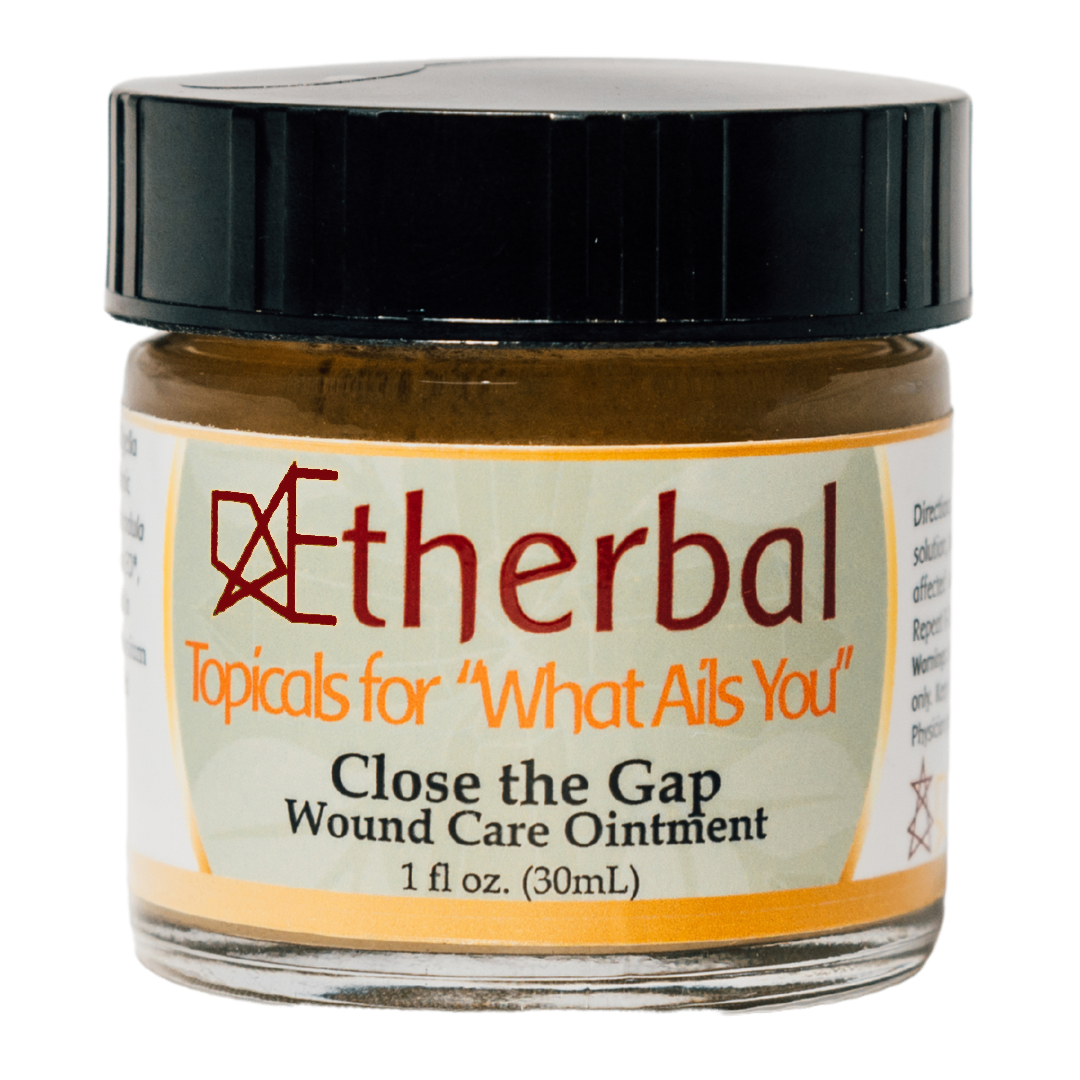
Our Close the Gap wound care ointment incorporates principles similar to those found in traditional self heal applications: supporting the body's natural healing process while providing protective and antimicrobial benefits.
Just as self heal has earned its reputation through centuries of reliable use, we're committed to creating topical solutions that harness nature's wisdom for modern wellness needs.
Embracing Nature's Pharmacy
Prunella vulgaris reminds us that some of the most powerful healing allies grow right under our feet. This humble herb, with its purple flowers and square stem, carries within it the concentrated wisdom of traditional healing and the validation of modern science.
Whether you're dealing with minor cuts and scrapes, seeking natural immune support, or looking for gentle anti-inflammatory options, self heal offers a time-tested, safe approach to healing. Its versatility and gentleness make it an excellent addition to any natural wellness toolkit.
The next time you see those small purple flowers in a meadow or field, take a moment to appreciate the incredible healing power contained in that simple plant. In a world of complex medical interventions, sometimes the most effective solutions are also the most elegant: and self heal is a perfect example of nature's elegant approach to healing.
Remember, while self heal is remarkably safe and effective, it's always wise to consult with qualified healthcare practitioners when addressing serious health concerns. At AEtherbal, we believe in empowering you with knowledge while encouraging responsible use of natural remedies.
Nature has provided us with incredible healing allies like Prunella vulgaris. By understanding and respecting these gifts, we can support our health naturally while honoring the wisdom of traditional healing practices that have served humanity for generations.
Latest posts

The Parkinson's-Pesticide Connection: What You Need to Know & How to Protect Yourself
Read article
Strong Roots, Strong Heart: How Herbs + Lifestyle Support Cardiovascular Wellness
Read article
Hibiscus: The Vibrant Secret to a Happy Heart and Balanced Blood Sugar
Read article