

Growing your own medicinal herbs is one of the most rewarding ways to take control of your health naturally. You don't need a green thumb or acres of land – just a small garden space, some basic knowledge, and the right plants to get started.
Today we're diving into three powerhouse herbs that are perfect for beginners: yarrow, nettle, and hyssop. These plants are tough, forgiving, and pack serious healing potential. Whether you're dealing with cuts and scrapes, looking to boost your immune system, or want natural ingredients for your wellness routine, these herbs have got you covered.
Why Start with These Three?
Before we dive into each herb, let's talk about why these three make the perfect starter kit for your medicinal garden. They're hardy, they grow in most climates, and they don't need perfect conditions to thrive. Plus, they each bring something different to the table – yarrow for wound care, nettle for nutrition and inflammation, and hyssop for respiratory and digestive support.
Yarrow: The Battlefield Medic
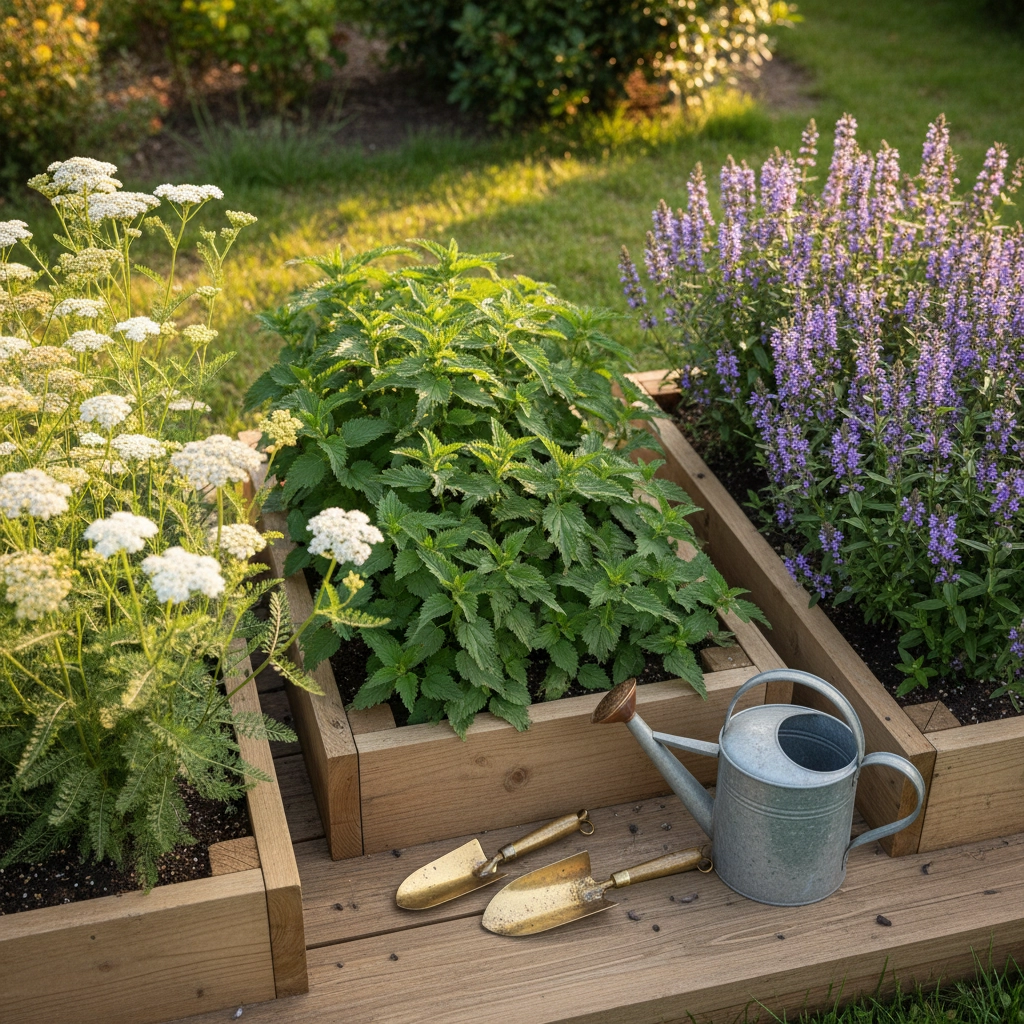
Yarrow (Achillea millefolium) has been helping humans heal for thousands of years. The name comes from Achilles, the Greek warrior who supposedly used it to treat his soldiers' wounds. That's not just mythology – this plant really works for stopping bleeding and healing cuts.
Growing Yarrow
Here's the best part about yarrow: it practically grows itself. This herb actually prefers poor, well-drained soil over rich garden beds. Too much fertilizer and it gets weak and floppy. Plant it in full sun, space the plants about 12-18 inches apart, and then pretty much ignore it.
Yarrow is incredibly drought-tolerant once established. In fact, overwatering is more likely to kill it than drought. It spreads naturally, so you might need to divide it every few years, but that just means more free plants for other spots in your garden.
Using Yarrow
The magic happens in the leaves and flowers. For a quick wound treatment, just crush up some fresh leaves and apply them directly to cuts or scrapes. The plant contains natural compounds that help stop bleeding and prevent infection.
You can also dry the flowers and leaves to make tea. Yarrow tea has a slightly bitter taste but it's great for digestive issues, menstrual cramps, and fever. Just steep a teaspoon of dried herb in hot water for 10 minutes.
Nettle: The Nutritional Powerhouse
Don't let the sting scare you off – nettle (Urtica dioica) is one of the most nutritious plants on the planet. It's packed with vitamins A, C, and K, plus iron, calcium, and potassium. Think of it as nature's multivitamin that grows in your backyard.
Growing Nettle
Unlike yarrow, nettle loves rich, moist soil. It's actually pretty easy to grow, but you'll want to give it its own space because it can spread aggressively. Plant it in partial shade to full sun, and make sure it gets consistent moisture.
One heads up: nettle can take over if you let it. Consider growing it in containers or in a dedicated patch where it can spread without crowding out other plants. The good news? Once it's established, you'll have a constant supply of this nutritional goldmine.
Using Nettle
The key with nettle is to cook it or dry it first – that neutralizes the sting. Fresh nettle leaves can be steamed like spinach, added to soups, or blended into smoothies. They taste earthy and mild, kind of like spinach with a slight mineral flavor.
Nettle tea is probably the most popular way to use this herb. It's naturally energizing without caffeine and helps with seasonal allergies, joint pain, and overall vitality. Just pour boiling water over dried nettle leaves and steep for 10-15 minutes.
Hyssop: The Respiratory Helper
Hyssop (Hyssopus officinalis) is the herb you want when you're dealing with coughs, congestion, or digestive upset. It's got strong antimicrobial and anti-fungal properties, plus it smells amazing and attracts beneficial insects to your garden.
Growing Hyssop
Hyssop is a Mediterranean herb, so it likes well-drained soil and full sun. It's more compact than nettle – usually growing about 2 feet tall and wide. The plant has small, narrow leaves and produces beautiful spikes of blue, pink, or white flowers that bees absolutely love.
This herb is pretty drought-tolerant once established, but it benefits from regular watering during its first growing season. Trim it back after flowering to keep it bushy and encourage new growth.
Using Hyssop
The leaves and flowers are both medicinal. Hyssop tea is excellent for respiratory issues – it helps break up mucus and soothe coughs. The herb contains compounds that have natural expectorant properties, meaning it helps your body clear out congestion.
You can also use hyssop in cooking. It has a minty, slightly bitter flavor that works well in marinades and with rich meats. Just use it sparingly at first – a little goes a long way.
Getting Started: Your First Medicinal Garden
Ready to plant your own healing garden? Here's how to set yourself up for success:
Choose Your Space
You don't need a huge area. A 4x4 foot raised bed or even large containers can work perfectly. Make sure the spot gets at least 6 hours of sun per day for yarrow and hyssop. Nettle can handle some shade, so tuck it into a corner where it won't take over.
Prep Your Soil
For yarrow and hyssop, don't go crazy with the compost. These plants actually do better in average soil. For nettle, work in some compost or aged manure – it'll thank you with bigger, more nutritious leaves.
Start Small
Plant one of each herb your first year. See how they do in your specific conditions and get comfortable harvesting and using them. You can always expand next season.

Harvesting and Preserving Your Herbs
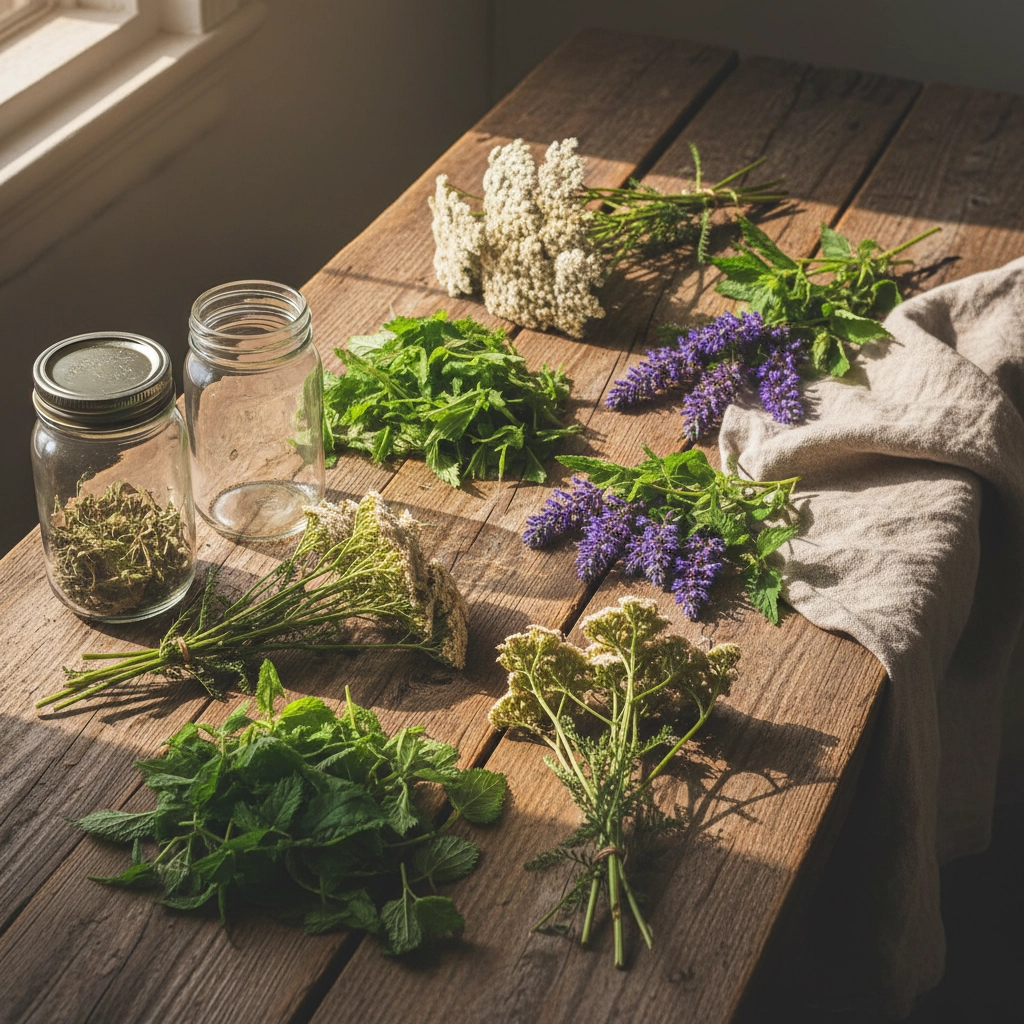
The timing matters when you're harvesting medicinal herbs. For yarrow, cut the flowers just as they're opening and the leaves when they're young and tender. Nettle is best harvested before it flowers – that's when the leaves are most nutritious. Hyssop can be harvested throughout the growing season, but the flavor is strongest just before flowering.
To dry your herbs, bundle them in small bunches and hang them in a warm, dry, dark place. Once they're crispy-dry, strip the leaves off the stems and store them in airtight jars. Label everything with the date – dried herbs are best used within a year.
Safety First
While these herbs are generally safe for most people, everyone's different. Start with small amounts to see how your body reacts. Pregnant and nursing women should check with their healthcare provider before using any medicinal herbs. If you're taking medications, especially blood thinners, talk to your doctor first.
Also, make sure you're harvesting the right plants. When you're starting out, buy plants from a reputable nursery rather than foraging in the wild.
Building Your Natural Medicine Cabinet
Growing your own medicinal herbs connects you to thousands of years of healing tradition. There's something deeply satisfying about reaching into your garden for a natural remedy instead of reaching for the medicine cabinet.
These three herbs – yarrow, nettle, and hyssop – give you a solid foundation for natural health care. Yarrow for injuries, nettle for nutrition and inflammation, and hyssop for respiratory support. Together, they cover a lot of common health concerns that pop up in daily life.
At AEtherbal, we understand the power of plant-based healing. While we craft specialized formulations for specific needs, growing your own herbs puts the power of natural wellness literally in your hands. Start with these three tried-and-true healers, and you'll be amazed at what nature can do for your health.
Your healing garden is waiting – time to get growing!
These statements have not been evaluated by the Food and Drug Administration. This product (or remedy) is not intended to diagnose, treat, cure, or prevent any disease. Please consult with your physician or qualified health care provider before starting any herbal remedy or supplement.
Latest posts

The Parkinson's-Pesticide Connection: What You Need to Know & How to Protect Yourself
Read article
Strong Roots, Strong Heart: How Herbs + Lifestyle Support Cardiovascular Wellness
Read article
Hibiscus: The Vibrant Secret to a Happy Heart and Balanced Blood Sugar
Read article